

Protected Species Licence
Get the Wildlife Licence Your Development Needs
Many developments in the UK require a protected species licence before works can proceed where protected wildlife may be affected. Ecosupport helps developers, planners and consultants navigate wildlife licence applications and mitigation requirements, ensuring compliance with UK legislation and reducing project risk.
What is a Protected Species Licence?
A protected species licence is a formal authorisation issued by the relevant statutory authority (such as Natural England) that permits activities that would otherwise be unlawful because they could affect protected wildlife. These licences are designed to ensure that necessary conservation tests are met and that any adverse effects on species are appropriately mitigated.
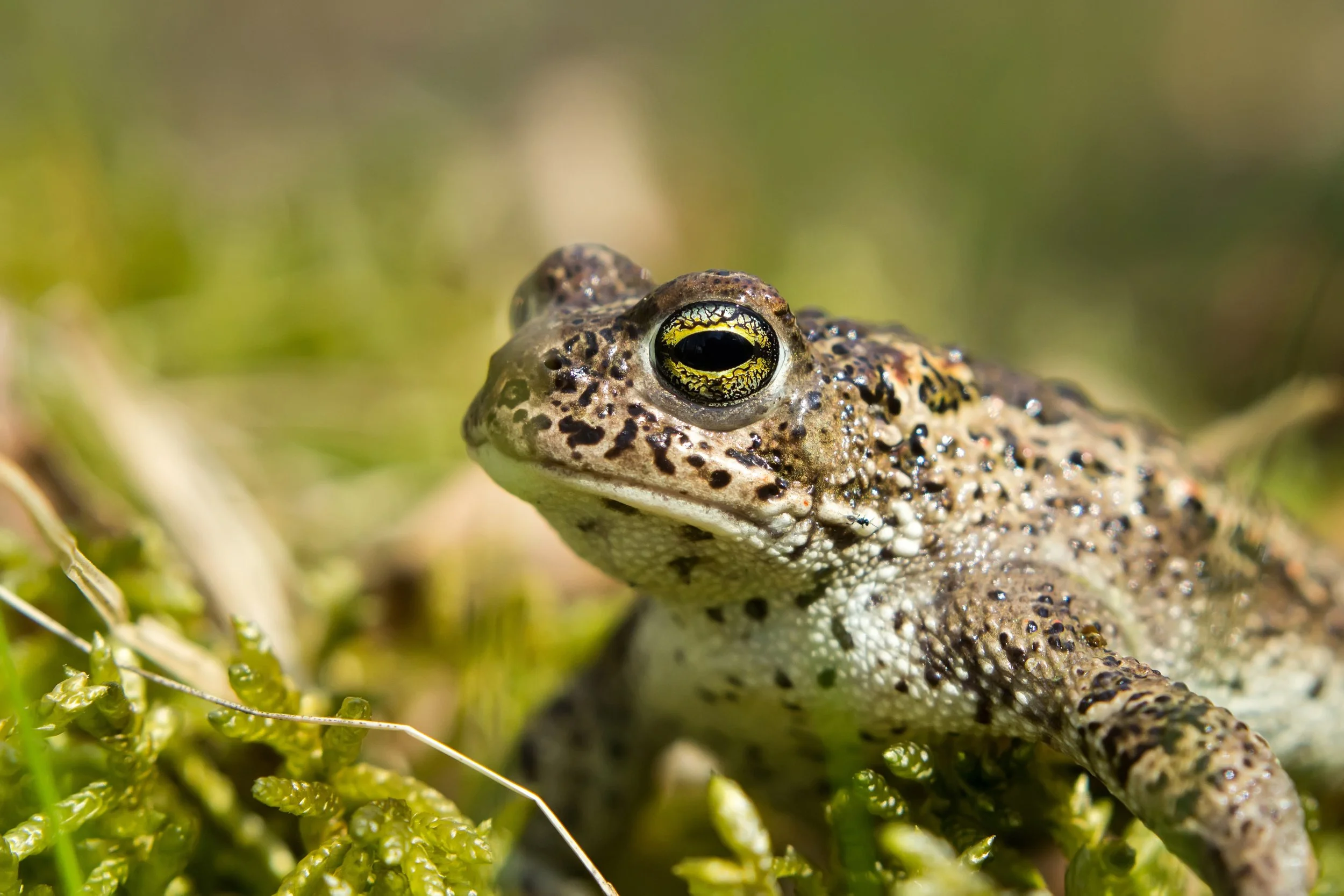
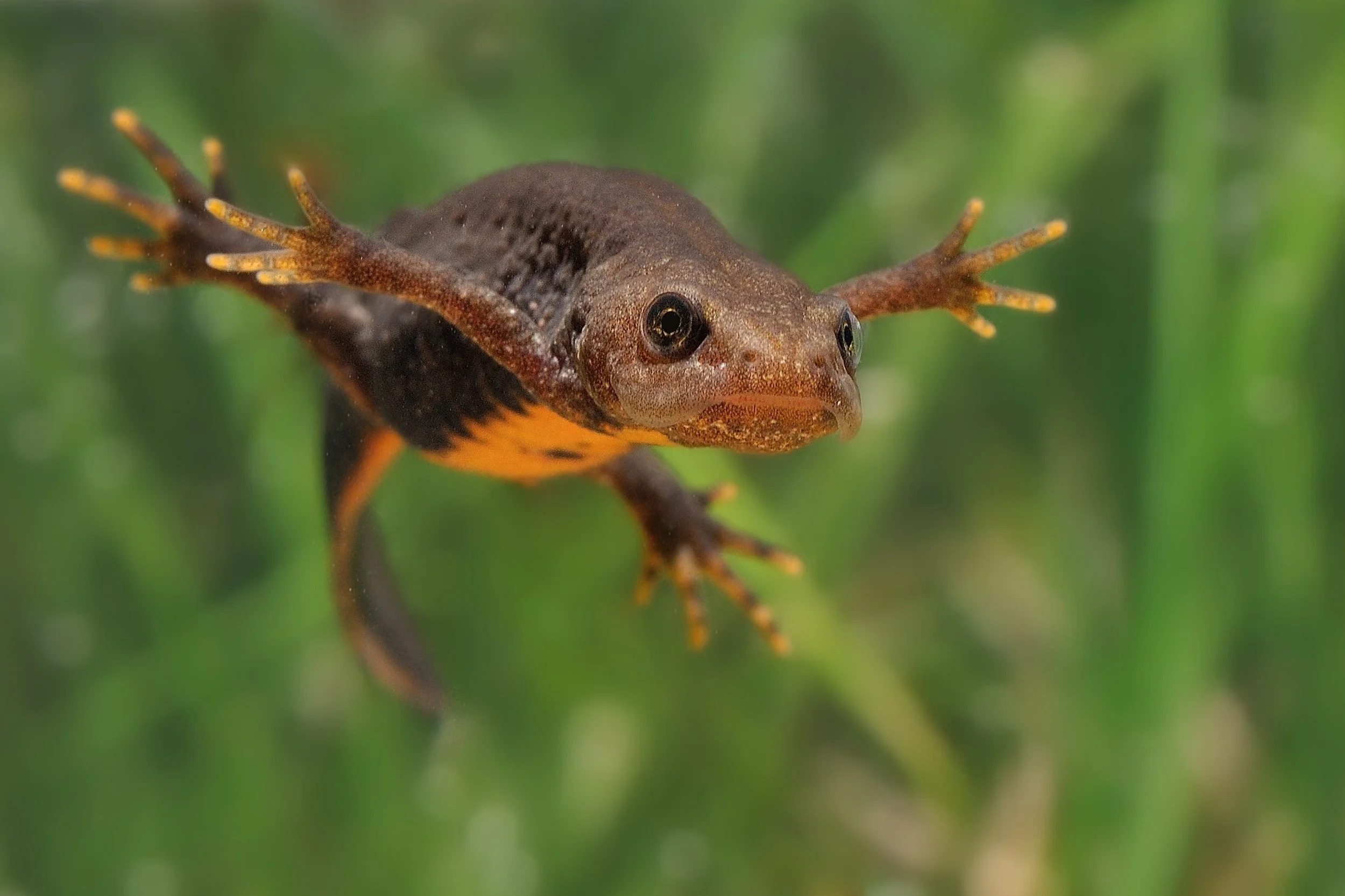
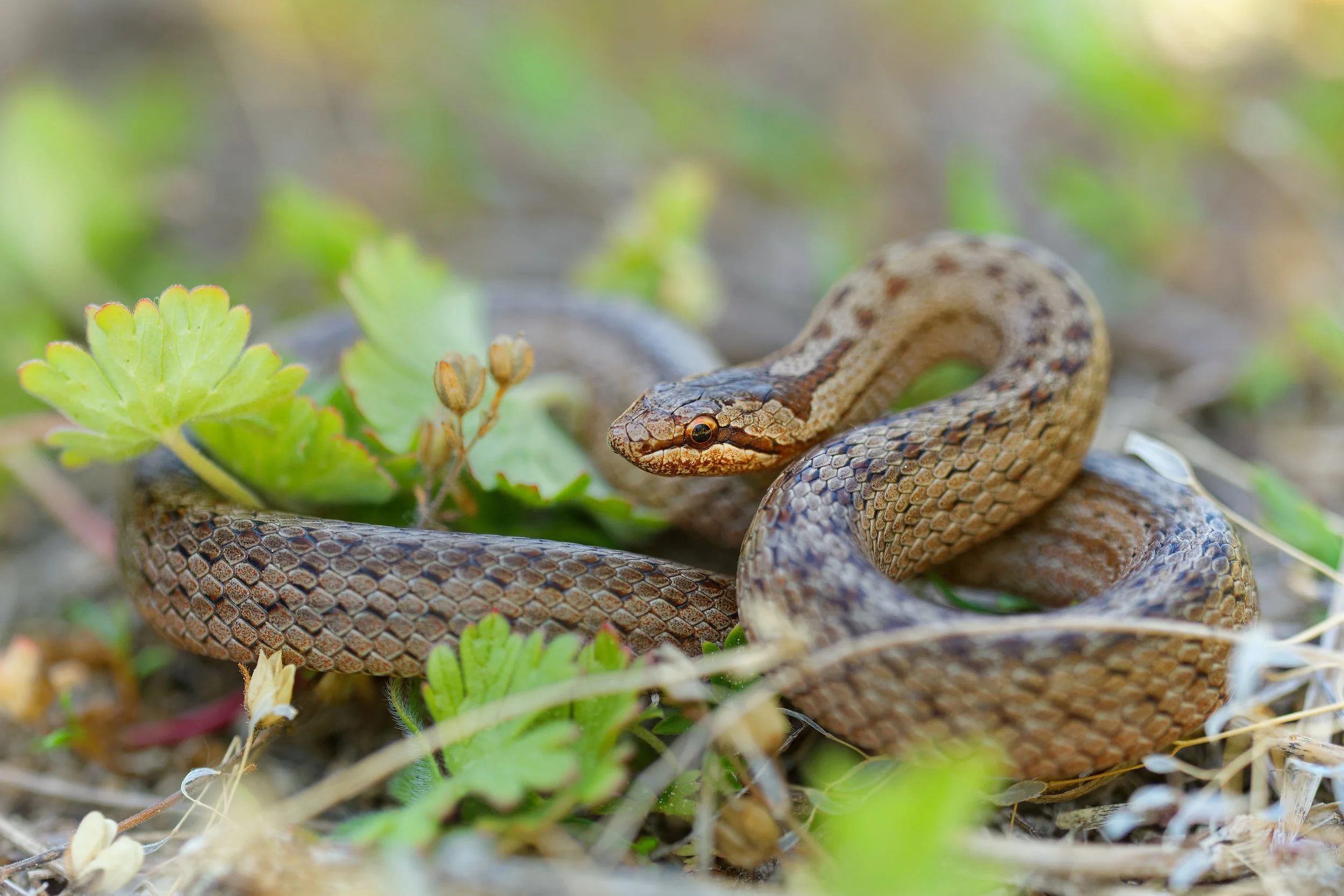
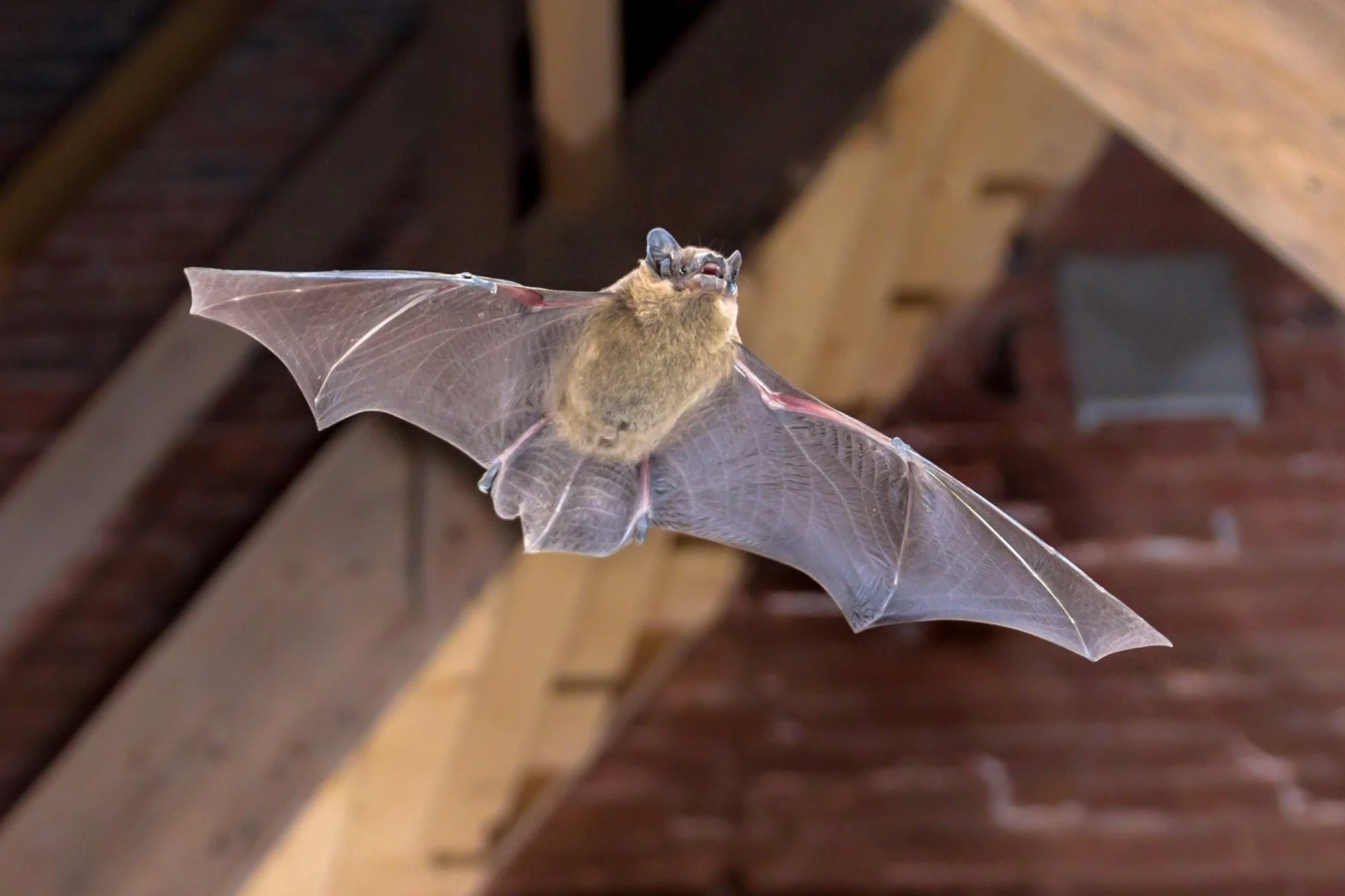
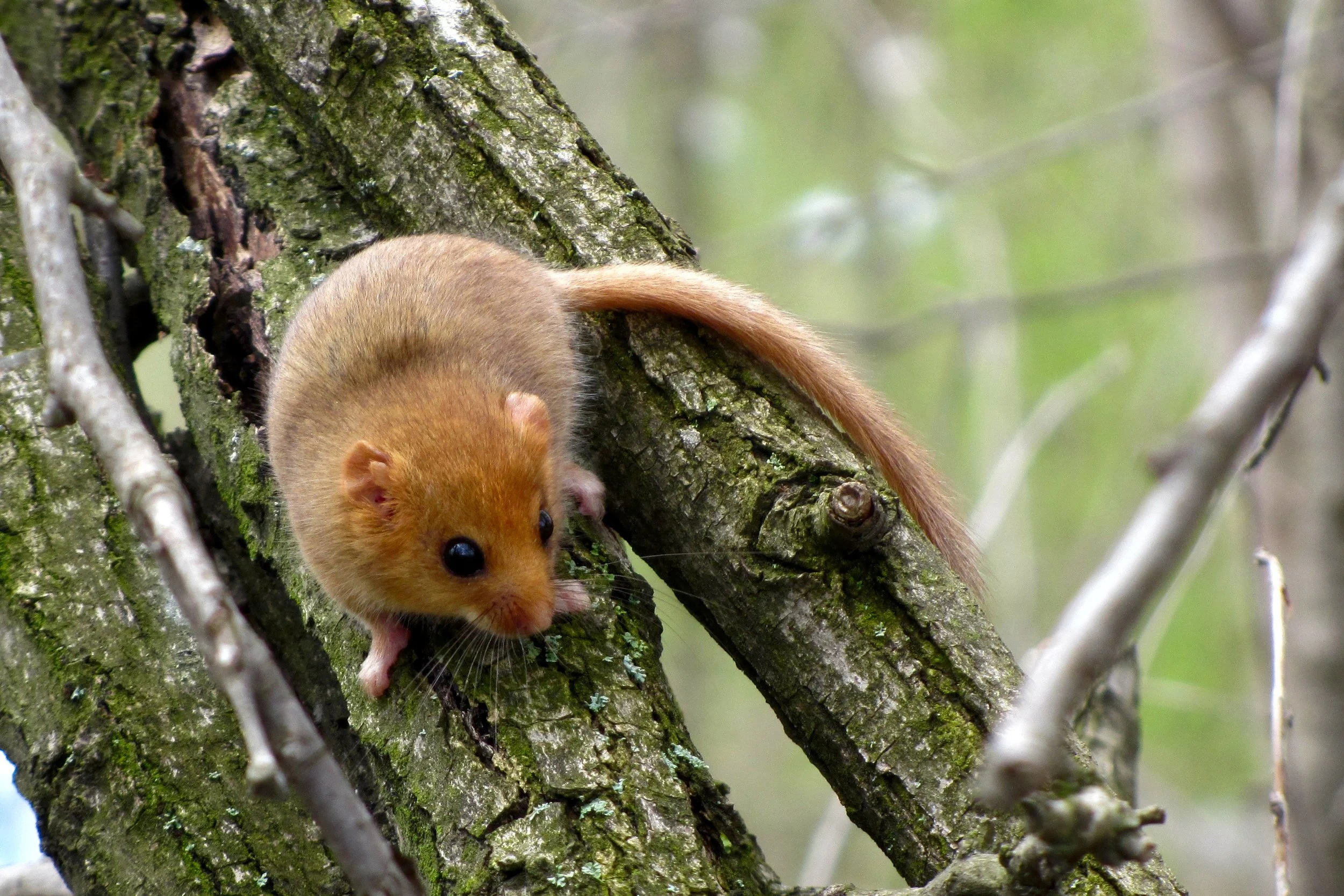
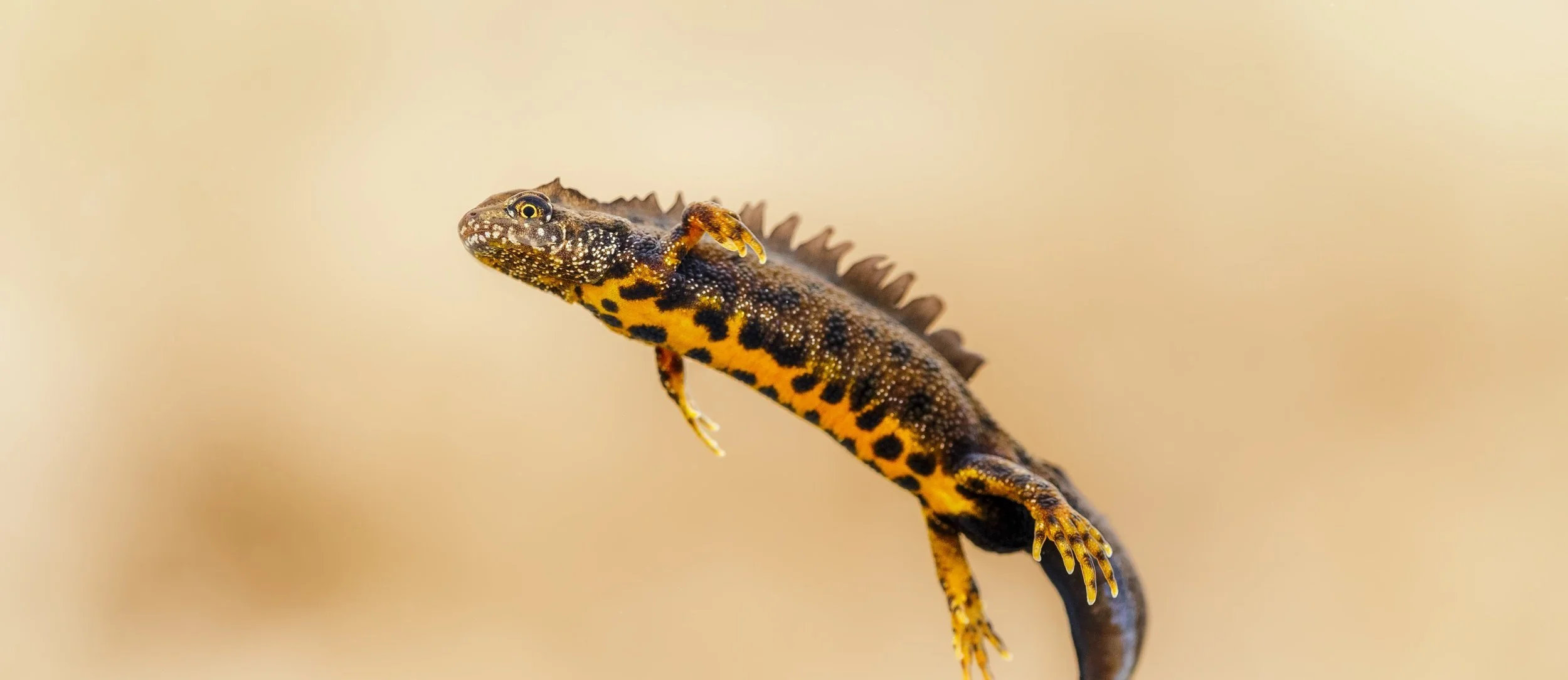
In the UK, many species receive legal protection, including bats, great crested newts, dormice, badgers, breeding birds and others. Disturbing or damaging them without a licence can result in legal penalties. A protected species licence demonstrates that suitable measures are in place to protect wildlife while allowing lawful development works to go ahead.
When is a Protected Species Licence Required?
A protected species licence is typically required when:
Protected species are present on or near a development site
Works would inadvertently disturb or affect protected animals or their habitats
Planning conditions require species protection, mitigation, or compensation
Licence requirements can arise from:
Ecological surveys identifying protected species
Planning conditions issued by local authorities
Legal obligations under UK wildlife legislation
Early ecological advice can confirm whether a licence is needed and help integrate mitigation into the project design.
How Our Licence Support Process Works
Our ecologists provide practical support throughout the protected species licence process, tailored to your development:
1. Pre-Application Advice
We review site information and survey data to confirm whether a licence is needed and advise on the most efficient pathway.
2. Survey Review & Gap Analysis
We evaluate existing ecological surveys and recommend any additional work required to support a successful licence application.
3. Mitigation Design & Documentation
We design mitigation measures appropriate to the species and site, ensuring compliance with licencing criteria and planning expectations.
4. Licence Application Preparation
Our team prepares the necessary application forms and supporting evidence, including method statements and mitigation protocols.
5. Submission & Liaison
We submit the application on your behalf (where required) and liaise with statutory bodies to support timely determination.
What the Licence Application Includes

Detailed method statements
Species-specific survey data and assessments
Mitigation and enhancement proposals
Our protected species licence applications are comprehensive and tailored to the species and site context, covering ecological evidence, mitigation measures and compliance tests.
Construction and timing protocols
Monitoring and reporting frameworks
Supporting documentation for statutory determination
Why Choose Ecosupport for Protected Species Licence Support
Ecosupport delivers dependable, planning-aware protected species licence support across a range of development types and ecological contexts. Our experienced ecologists understand both the technical requirements of wildlife licencing and the practical needs of developers and planners.
FAQ’s
-
Protected species licences are most commonly required where development could affect legally protected wildlife. Species frequently associated with licence applications include bats, great crested newts, dormice, badgers, otters, water voles, and certain breeding birds.
-
No — starting works that affect protected species without an approved licence can lead to legal penalties and enforcement action.
-
Our ecologists design and document mitigation measures that must form part of the licence, such as translocation, exclusion or habitat creation.