

Biodiversity Net Gain (BNG)
Biodiversity Net Gain (BNG) is now a mandatory planning requirement for most developments in England under the Environment Act 2021.
Ecosupport provides comprehensive Biodiversity Net Gain services, supporting developers, planners and consultants with baseline habitat surveys, BNG metric calculations, habitat creation plans and long-term management solutions to help secure planning approval.
Developers must deliver a minimum of 10% net gain in biodiversity, calculated using a standard metric.
Please note: While the statutory minimum requirement is 10% Biodiversity Net Gain, some local authorities already mandate 20% or alternative percentages
Is Biodiversity Net Gain Mandatory for my Development?
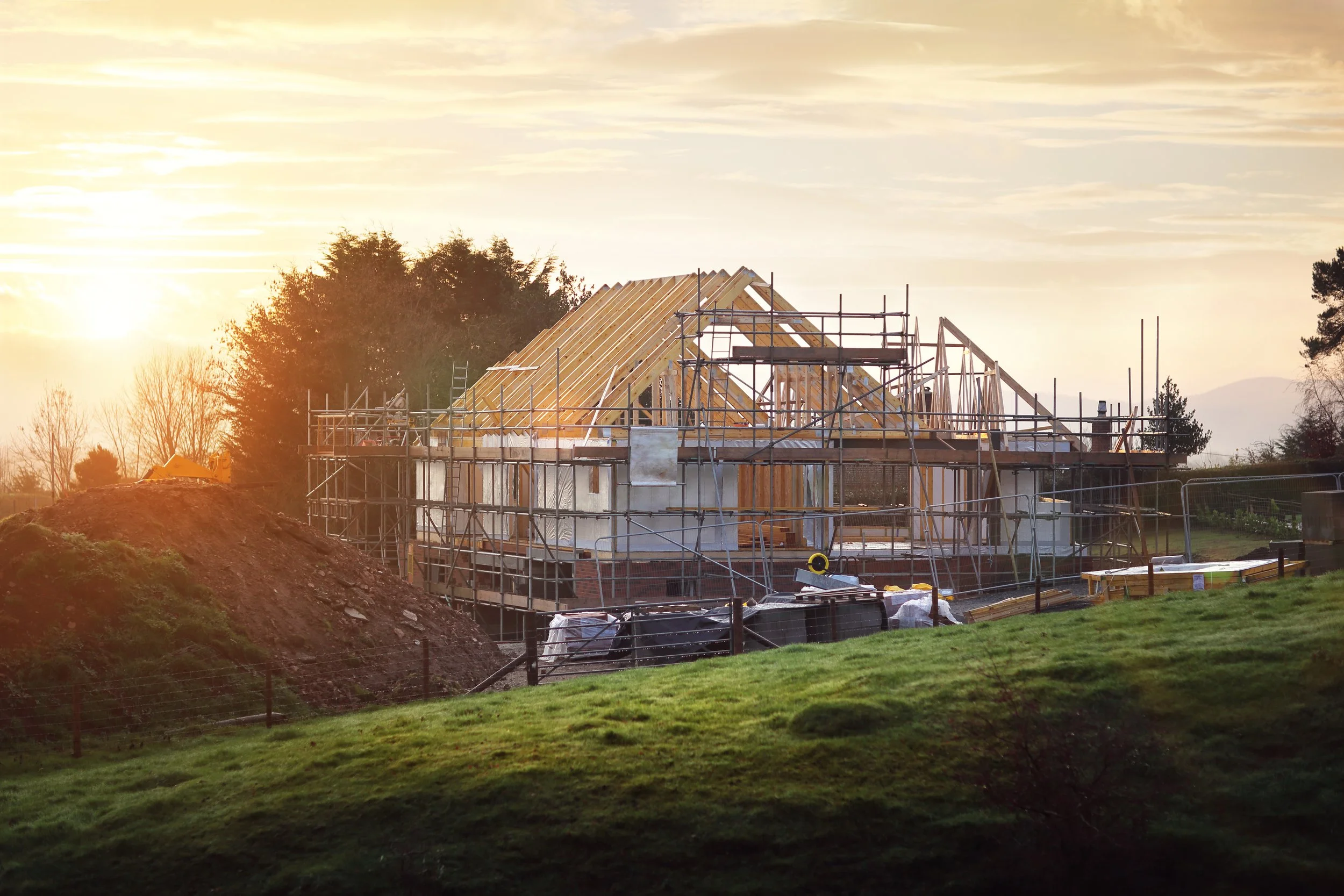
Biodiversity Net Gain (BNG) is now a mandatory requirement for most developments in England, introduced through the Environment Act 2021. The legislation requires new developments to demonstrate a minimum 10% measurable increase in biodiversity value compared to the site’s pre-development condition.
Biodiversity value is measured using the Biodiversity Metric published by Natural England, which assesses habitats based on their type, condition, distinctiveness and strategic significance. This ensures that biodiversity gains are delivered in a consistent, transparent and measurable way across all developments.
In practical terms, Biodiversity Net Gain must be addressed as part of the planning process. Local Planning Authorities will expect planning applications to be supported by appropriate ecological surveys, a completed Biodiversity Metric calculation and clear proposals showing how the required net gain will be achieved, either on-site, off-site, or through a combination of both.
Which developments are required to deliver BNG?
BNG requirements apply to a wide range of development types, including:
Major residential developments
Small sites and minor developments
Commercial and industrial schemes
Infrastructure and utilities projects
The timing and level of detail required can vary depending on the scale and nature of the proposal, which is why early ecological input is strongly recommended.
Are there any exemptions?
Certain types of development may be exempt from mandatory BNG requirements, including:
Householder planning applications
Self-build and custom build homes
Developments with minimal ecological impact (often referred to as de minimis impacts)
Exemptions and transitional arrangements can be complex and may differ between Local Planning Authorities. Our ecologists can advise whether Biodiversity Net Gain applies to your site and confirm the most proportionate approach to meet planning requirements.
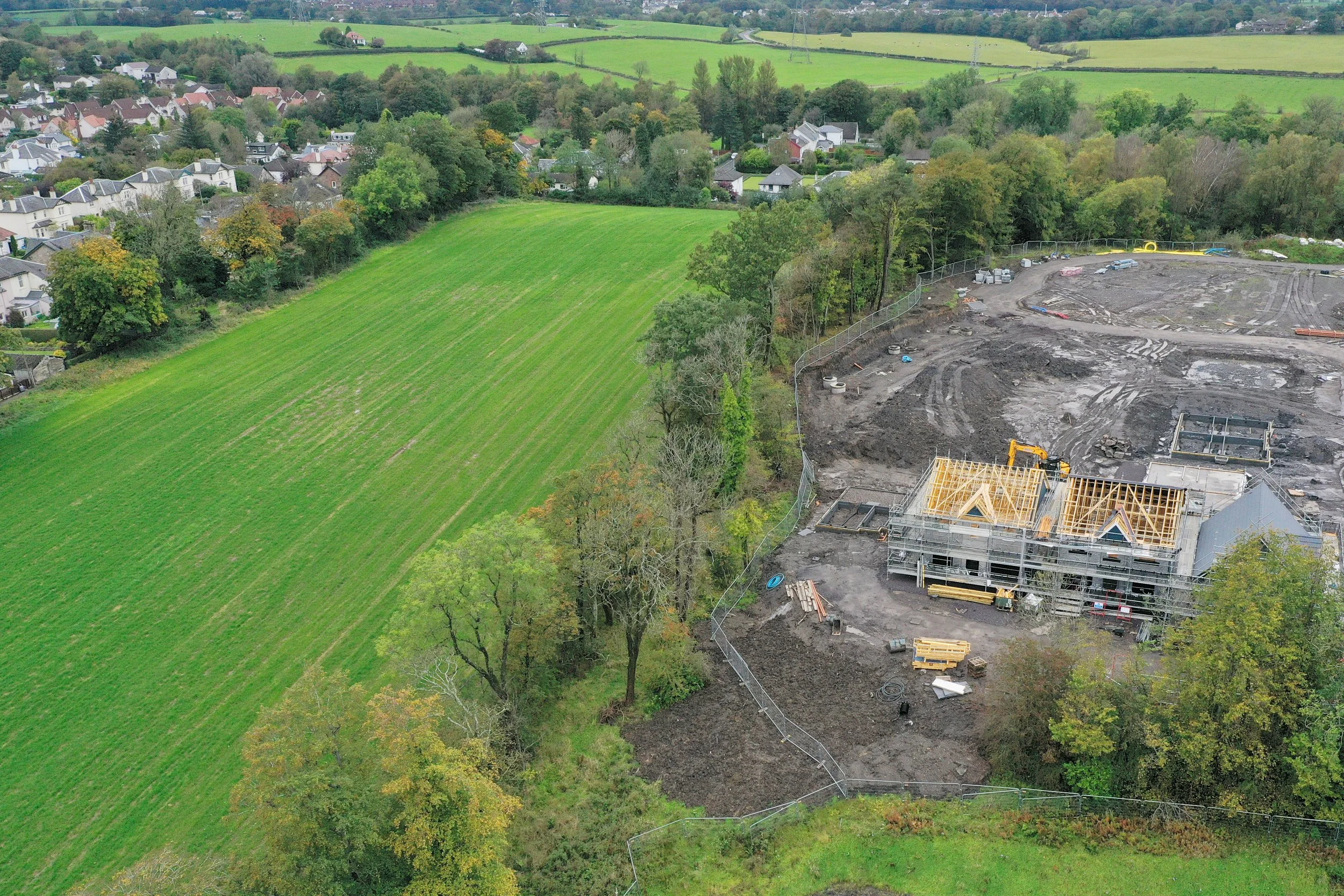
Early assessment of BNG requirements can help avoid planning delays, reduce costs and identify opportunities to deliver biodiversity enhancements that work alongside your development proposals.
How does the Biodiversity Net Gain (BNG) process work?
Delivering Biodiversity Net Gain can appear complex, particularly where developments involve multiple habitat types or limited on-site enhancement opportunities. Ecosupport supports clients through the full BNG process, from initial site assessment through to long-term habitat management, ensuring planning requirements are met efficiently and proportionately.
Our ecologists follow a structured, planning-focused approach aligned with the statutory Biodiversity Metric issued by Natural England.
The Biodiversity Net Gain process
1. Baseline habitat survey
An ecologist undertakes a site visit to identify and map existing habitats using the UK Habitat Classification system. Habitat condition, distinctiveness and ecological features are recorded to establish the site’s baseline biodiversity value.
2. Biodiversity Metric calculation
The baseline data is entered into the statutory Biodiversity Metric to calculate existing biodiversity units. Proposed habitat losses, enhancements and creation measures are then modelled to determine whether the required 10% net gain can be achieved.
3. Impact assessment & net gain strategy
Where biodiversity losses are unavoidable, our ecologists assess the scale of impact and identify practical opportunities to deliver biodiversity enhancements. This may include on-site habitat creation, habitat enhancement, or a combination of on-site and off-site solutions.
4. Habitat creation and enhancement design
Habitat proposals are designed to be realistic, deliverable and compatible with the development layout. Measures may include wildflower grassland creation, hedgerow planting, woodland enhancement or wetland features, depending on site constraints and local ecological priorities.
6. Habitat Management & Monitoring Plan (HMMP)
A Habitat Management and Monitoring Plan is prepared to demonstrate how created and enhanced habitats will be managed and monitored for a minimum period of 30 years, as required under BNG legislation. This document is often secured through planning conditions or legal agreements.
5. Off-site biodiversity units (if required)
If the required net gain cannot be delivered fully on-site, we can advise on securing off-site biodiversity units through approved delivery mechanisms, ensuring compliance with planning policy and statutory requirements.
Early engagement with an ecologist can help identify constraints, reduce costs and avoid delays at the planning stage. Our team works closely with developers, planning consultants and Local Planning Authorities to ensure BNG requirements are addressed clearly and proportionately. Speak to an ecologist about your site.
What our BNG service includes
Ecosupport provides a comprehensive Biodiversity Net Gain service, tailored to the scale and complexity of each development. Our ecologists prepare clear, proportionate reports and strategies designed to support planning submissions and discharge planning conditions.
Baseline habitat survey
UK Habitat Classification survey to establish baseline biodiversity value.

Biodiversity Metric calculation
Completion of the statutory Biodiversity Metric to quantify losses, enhancements and net gain.
30-year Habitat Management & Monitoring Plan (HMMP)
Long-term management and monitoring strategy to meet statutory BNG requirements.
BNG report for planning submission
A clear report suitable for submission with planning applications or reserved matters.
Habitat creation & enhancement plan
Practical, deliverable proposals aligned with site constraints and development layouts.
Planning authority liaison support
Technical responses to planning queries and support during the determination process.
FAQ’s
-
The timeframe depends on the size and complexity of the site. For small to medium developments, baseline surveys and Biodiversity Metric calculations are typically completed within a few weeks. Larger or more complex sites may require additional survey time and coordination with the wider planning programme.
-
BNG itself does not need to delay planning, but late consideration can. Early ecological input helps identify constraints, confirm whether the 10% net gain can be delivered on-site, and avoid planning conditions or requests for further information during determination.
-
If the required net gain cannot be delivered fully on-site, biodiversity enhancements can be delivered off-site through approved mechanisms. This approach must follow the statutory BNG hierarchy and be supported by appropriate evidence within the planning submission.