

Phase I Ecology Surveys
PEA
Preliminary Ecological Appraisal
A Phase 1 Ecology Survey, also known as a PEA, is the first step in assessing a site’s ecological value. Our experienced ecologists identify habitats, protected species risks, and potential ecological constraints to support planning applications and development projects.
Ecosupport delivers clear, planning-focused surveys that give developers, consultants, and local authorities confidence in ecological assessments.
Fully qualified ecologists

Guidance on next steps for protected species
Planning-focused survey reports
What is a Phase 1 Ecology Survey?

A Phase 1 Ecology Survey is an initial ecological assessment of a site. It is designed to identify habitats, protected species, and any ecological constraints that could affect development proposals.
Surveys are conducted by experienced ecologists following standard UK guidance, including the recommendations of the Chartered Institute of Ecology and Environmental Management (CIEEM). The survey provides a clear picture of the site’s ecological value, helping developers and planning consultants make informed decisions and reduce the risk of delays during the planning process.
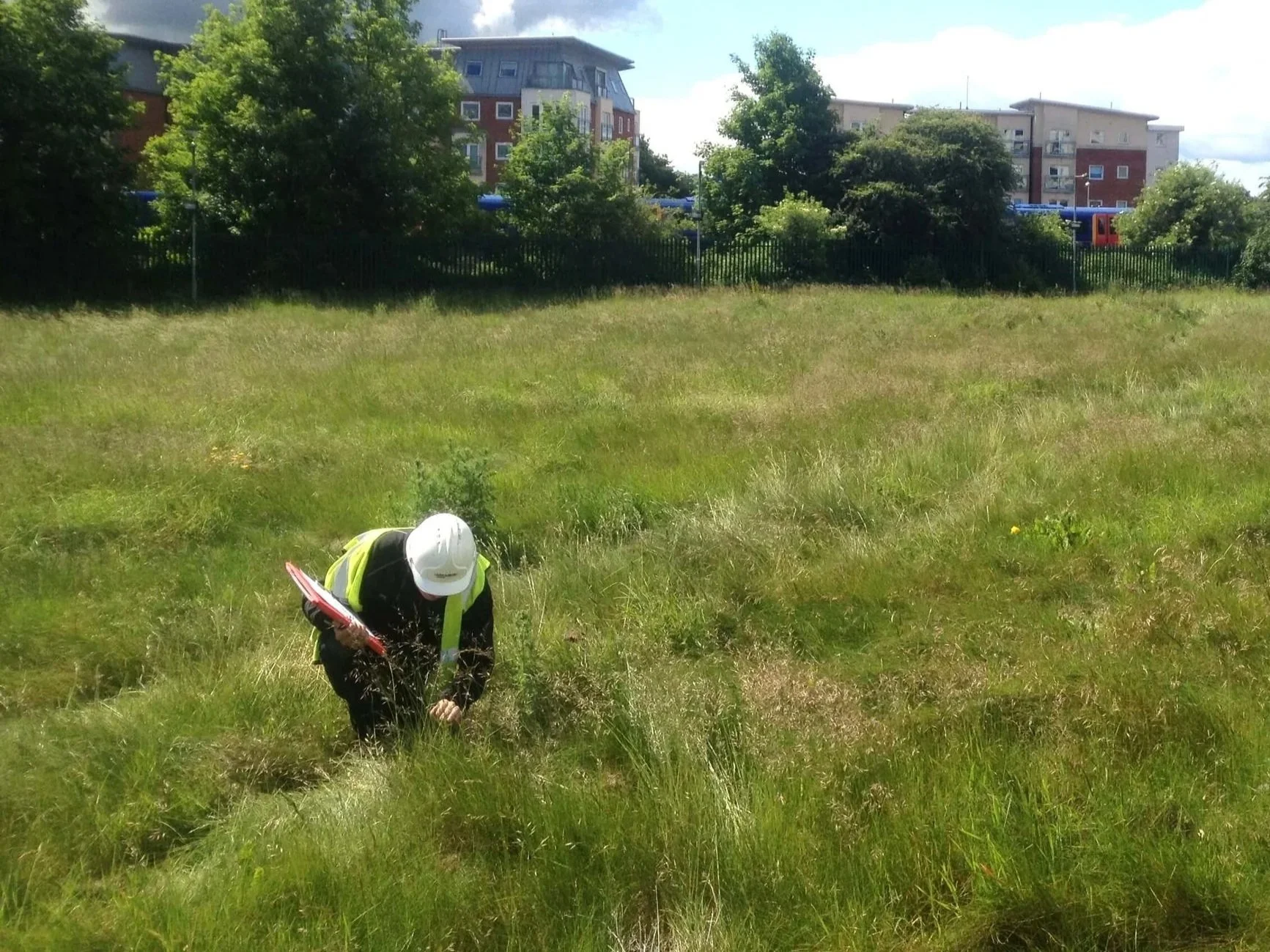
A Phase 1 survey typically involves a walkover survey, habitat mapping, and a preliminary assessment of potential protected species (such as bats, badgers, reptiles, amphibians, and nesting birds). The findings are presented in a concise report suitable for planning submissions or as the first stage in more detailed ecological assessments if required.
When is a Phase 1 Ecology Survey required?
Phase 1 Ecology Surveys are typically required at the earliest stage of site planning or development proposals. Local Planning Authorities often request a preliminary ecological assessment to identify potential constraints and protected species risks before granting planning permission.
These surveys are recommended for a wide range of developments, including:
Residential developments – new housing sites, extensions, or conversions
Commercial and industrial projects – offices, warehouses, and factories
Infrastructure and utilities – roads, pipelines, or utility installations
Small sites or minor developments – particularly where there may be protected habitats or species
Even sites that appear ecologically “low-risk” can contain features such as trees, hedgerows, ponds, or old buildings that support protected species. Early surveying reduces the risk of planning delays, additional survey requirements, or enforcement issues later in the project.
Phase 1 surveys help you:
Identify ecological constraints early
Avoid planning delays and unexpected costs
Plan for necessary mitigation or enhancement measures
Determine if further species-specific surveys are required
Our ecologists provide practical guidance throughout the planning process, ensuring Phase 1 surveys meet statutory requirements and Local Planning Authority expectations.
Due to the timings associated with certain protected species surveys, it is recommended you contact us as early as possible to minimise the chance of delays. Similarly, by getting an ecologist involved as early as possible, proposals can be designed with ecology in mind, thus preventing unnecessary alterations further down the line.


What a Phase 1 Ecology Survey includes
A Phase 1 Ecology Survey is a comprehensive site assessment designed to identify ecological features, protected species, and potential constraints for development. Ecosupport’s surveys provide planning-ready reports, ensuring Local Planning Authorities and consultants have the information they need to make informed decisions.
Site walkover survey
Identification of habitats, ecological features, and potential protected species risks.
Preliminary protected species assessment
Identification of potential presence of bats, badgers, reptiles, amphibians, nesting birds, and other protected species.
Planning-ready Phase 1 survey report
A concise, clear report suitable for planning applications or as the first stage in further ecological assessments (e.g., Phase 2 surveys).
Habitat mapping
Mapping of existing habitats using UK Habitat Classification standards.
Ecological constraints report
Highlights risks, identifies areas that may require further surveys, and flags planning considerations.
Advice on next steps
Practical guidance on whether additional surveys or mitigation measures are required.
Why choose Ecosupport?
Ecosupport provides reliable, planning-focused ecological services across the UK. Our ecologists combine extensive field experience with up-to-date knowledge of UK legislation and Local Planning Authority requirements, ensuring Phase 1 Ecology Surveys are accurate, practical, and fully compliant.
By choosing Ecosupport, you gain confidence that your Phase 1 Ecology Survey is robust, compliant, and delivered by a trusted team who understand the practical needs of developers and planners alike.
Ecological Survey Calender

Our Survey Calendar provides a structured overview of the survey types we undertake across the year. Each entry identifies the periods in which surveys can be carried out most effectively, as well as times when conditions may limit their reliability. This allows you to plan works with a clear understanding of seasonal constraints and ensures surveys are scheduled at the most appropriate times.







FAQ’s
-
The duration depends on site size and complexity. Small sites can typically be surveyed within a few days, while larger or more complex sites may require additional time for mapping and habitat assessment. Reports are usually delivered within 1–2 weeks of the site visit.
-
Most developments, especially those requiring planning permission, benefit from a Phase 1 survey. Even seemingly low-risk sites may contain protected habitats or species, so early assessment helps avoid planning delays or additional survey requirements later.
-
If potential protected species are identified, our ecologists provide clear guidance on next steps. This may include Phase 2 or species-specific surveys and recommendations for mitigation, ensuring compliance with UK legislation.