

Reptile Surveys
Reptiles & the Law
Reptile species including slow worms, common lizards, grass snakes and adders are protected in the UK under the Wildlife and Countryside Act 1981 (as amended). It is an offence to intentionally kill, injure, or take these reptiles, or to damage, destroy or obstruct access to their shelter or breeding sites without appropriate measures.
Early ecological assessment helps identify whether reptiles or suitable habitat are present on site, reducing the risk of legal or planning issues. Survey results support planning submissions and, where required, mitigation design and licence applications.

When is a Reptile Survey Required?
Reptile surveys are typically required where a proposed development could affect habitats suitable for reptiles, including species‑rich grassland, low scrub, hedgerow bases, bare ground, field margins, and woodland edges. Works involving vegetation clearance, earthworks, soil stripping, or ground disturbance in or near these habitats may trigger a need for reptile survey information to support planning applications.
Even if reptiles have not previously been recorded on site, the presence of suitable habitat can indicate potential use and justify the need for survey evidence.
Typical habitats
Reptiles are found in a number of different habitat types and locations ranging from the edges of agricultural fields and gardens to heathland and roadside verges. They tend to favour structured semi-improved grassland with areas of scrub.
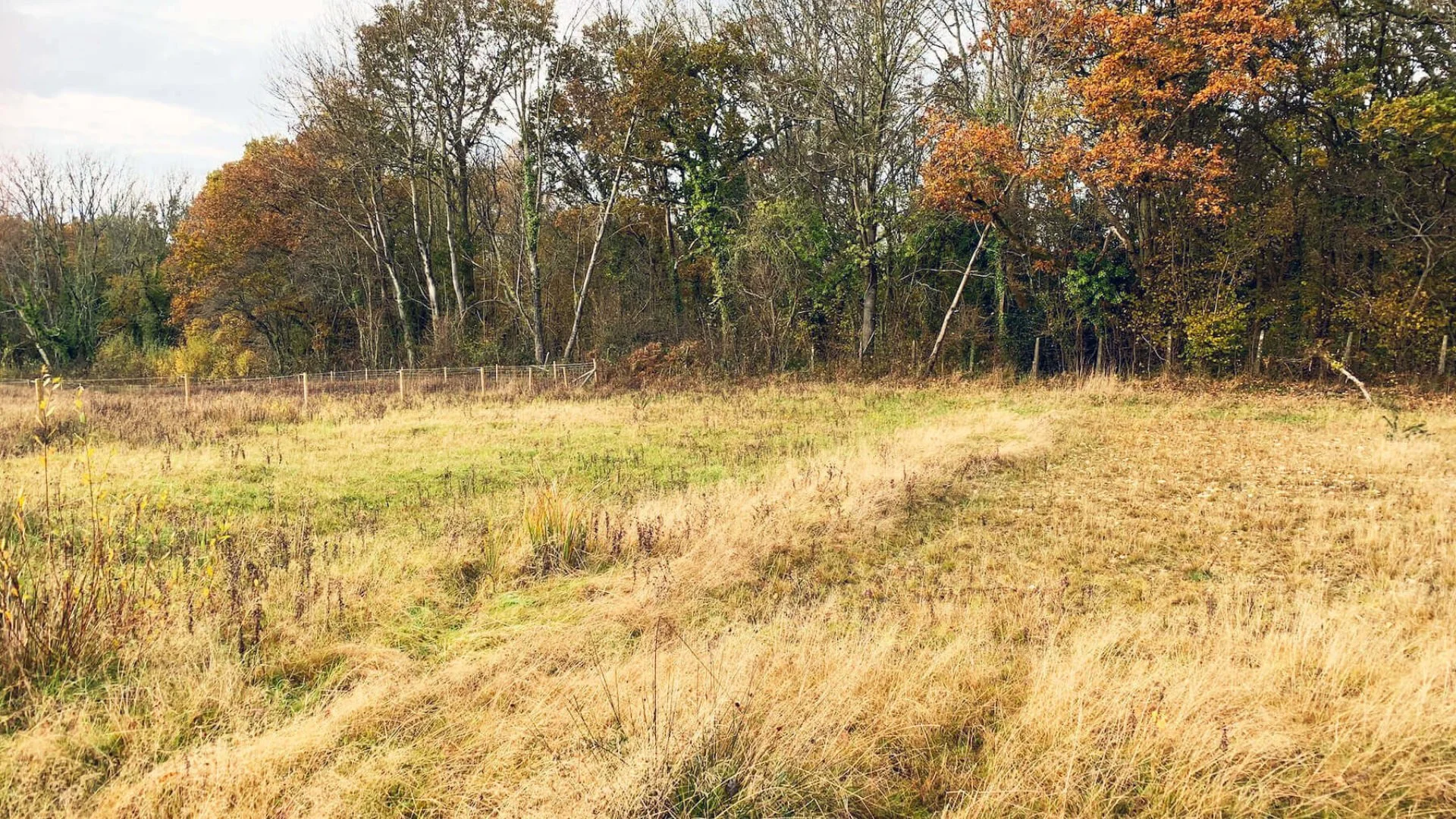
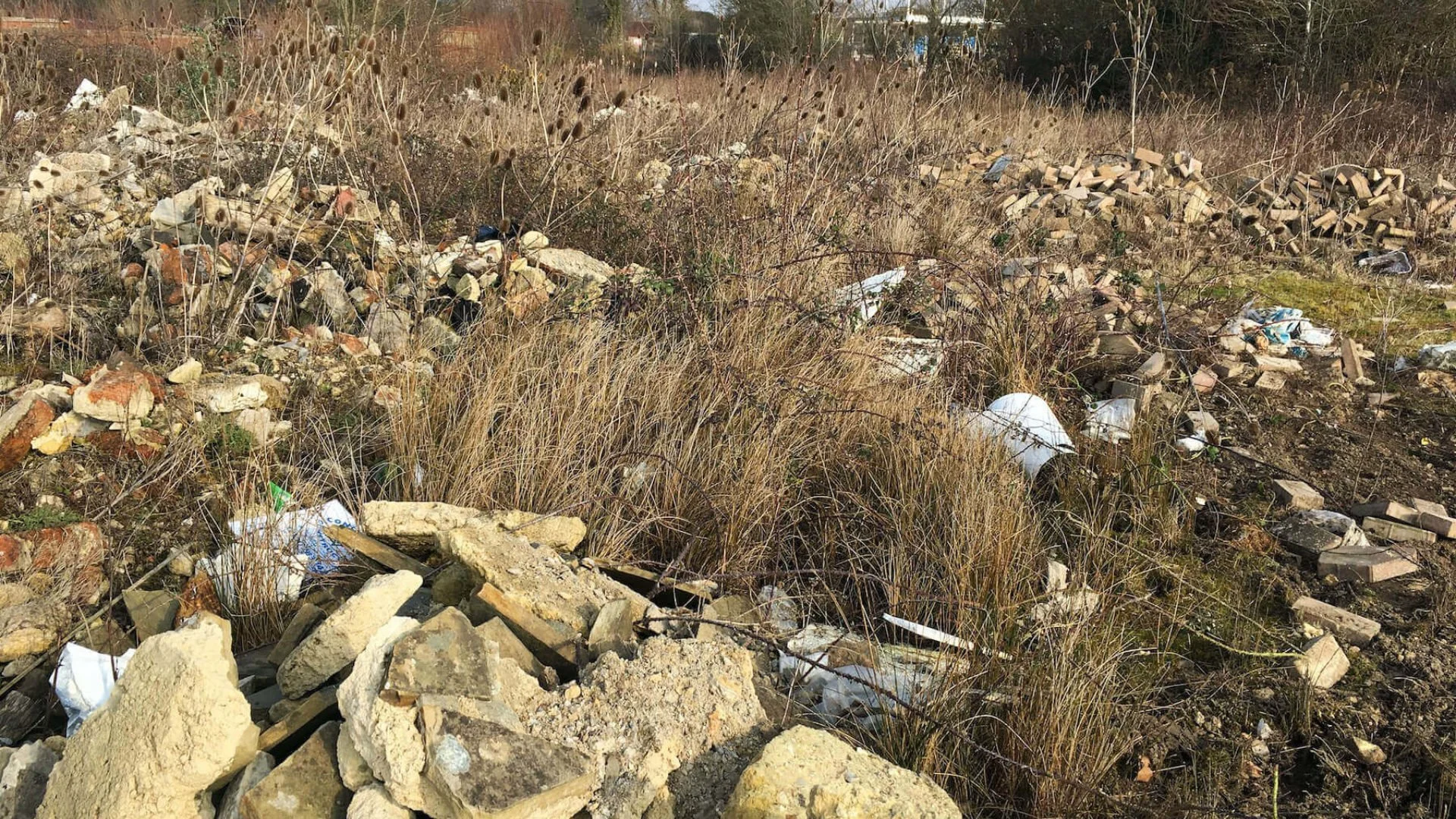
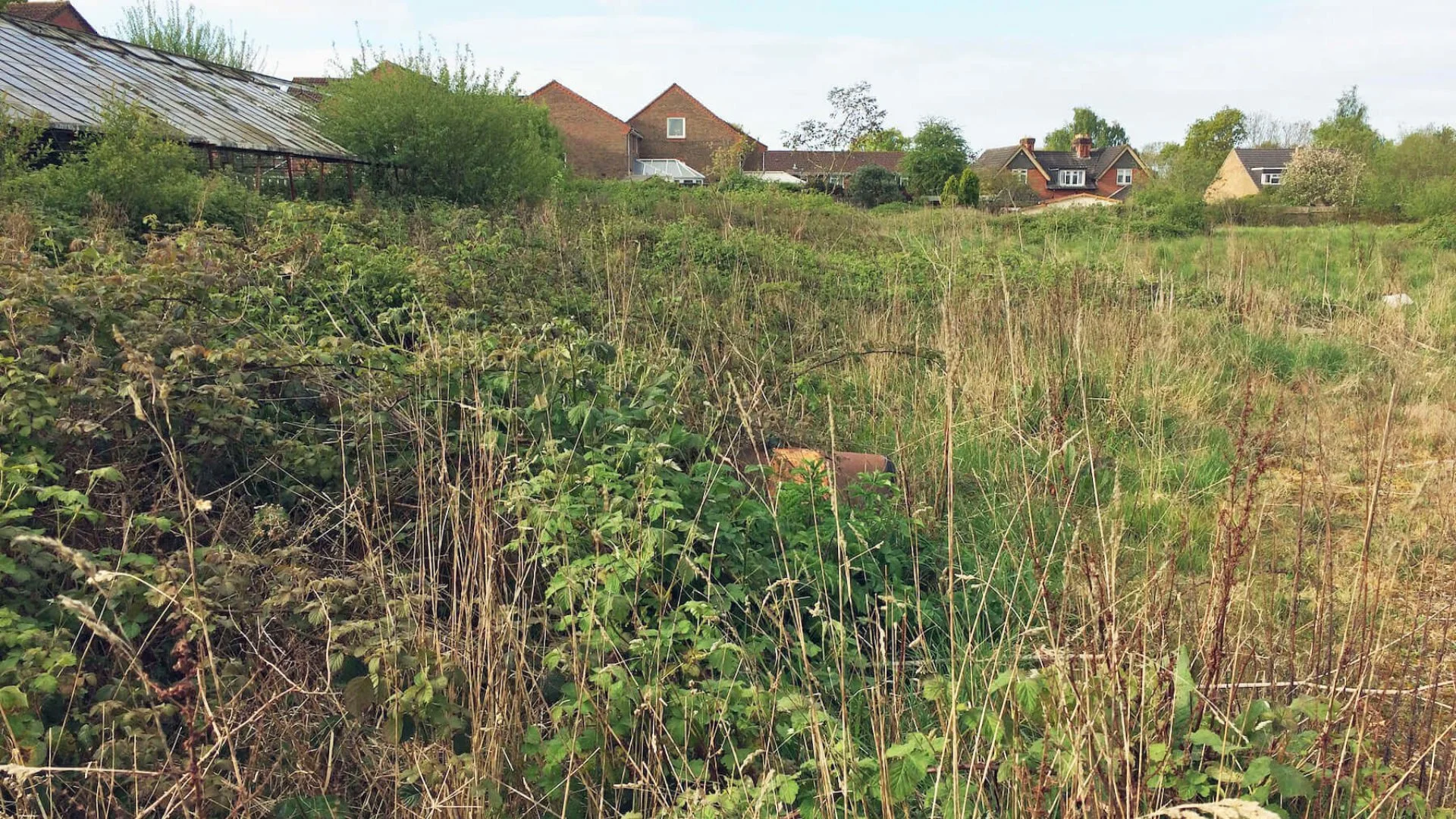
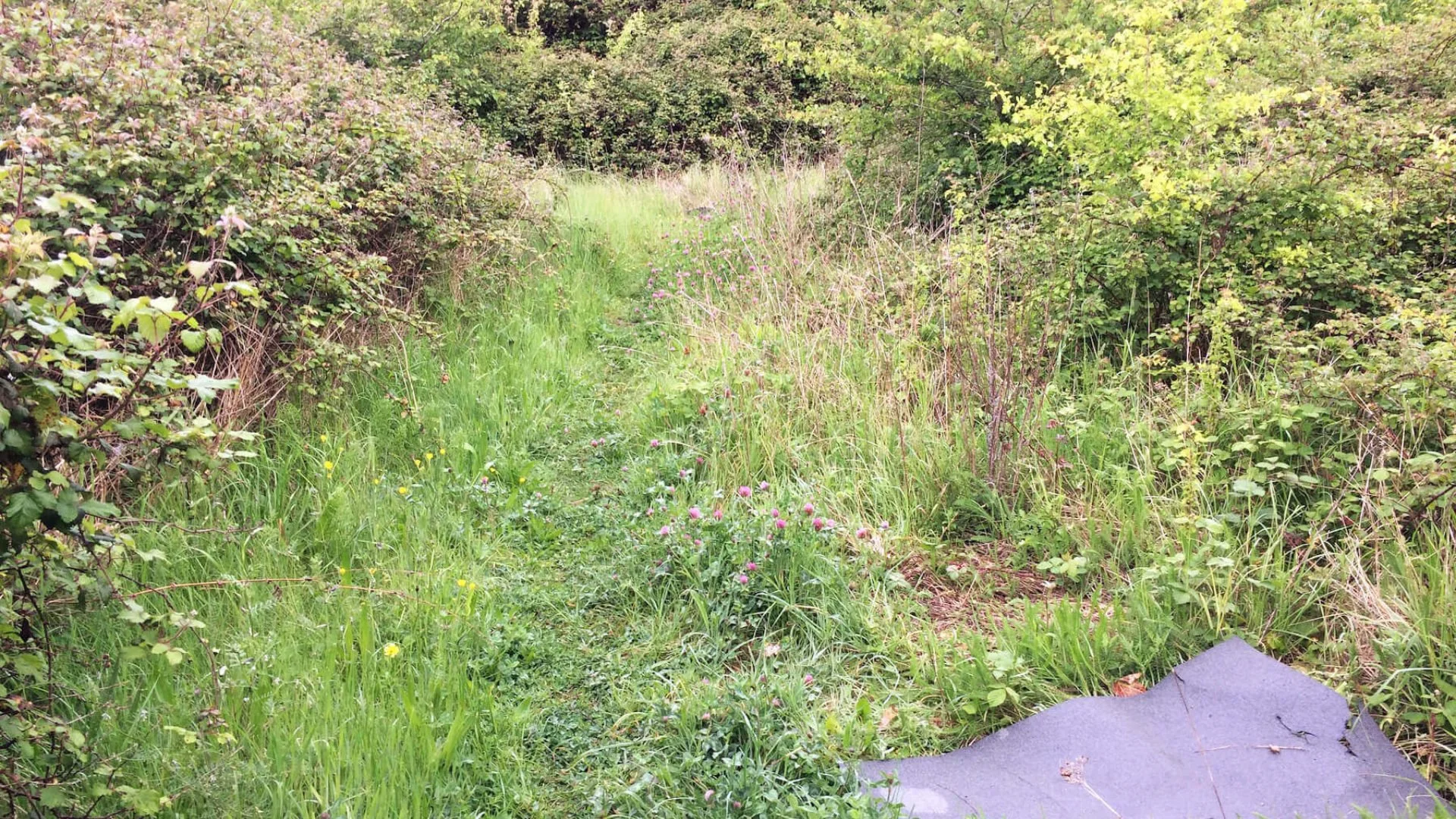
A site is assessed for its suitability to support reptiles at the Phase I stage, which can be carried out at any time of the year. If suitable reptile habitat will be impacted on site, further surveying is required.
Survey Timing & Why It Matters
Reptile surveys are seasonal because reptile activity varies throughout the year. Surveys are generally carried out between April and September, when reptiles are most active in warmer weather. Undertaking surveys during the appropriate season ensures robust results that planning authorities can use confidently to assess impacts and inform mitigation requirements, and helps avoid the need for additional survey work later in the planning process.
What a Reptile Survey Includes
A typical reptile survey may involve:
Habitat assessment to identify features likely to support reptiles
Field surveys using standard methods such as refuge searches with mats and controlled transects
Identification of reptile species presence and abundance
Mapping of key features and population estimates where required
Recommendations for mitigation, avoidance or compensation measures
Survey scope is tailored to the site and development context, ensuring that evidence provided is proportionate and planning‑relevant.
Impacts on development
If reptiles are found on site then we will create a mitigation strategy that will need to be submitted to the Local Planning Authority detailing measures that will be taken to lessen the risk of harm to reptiles on site. Where appropriate a suitable area is retained on site and reptiles within the impacted area are captured and released within the chosen receptor site. Ecosupport can enhance your site for reptiles through habitat management and installation of hibernacula within the site.
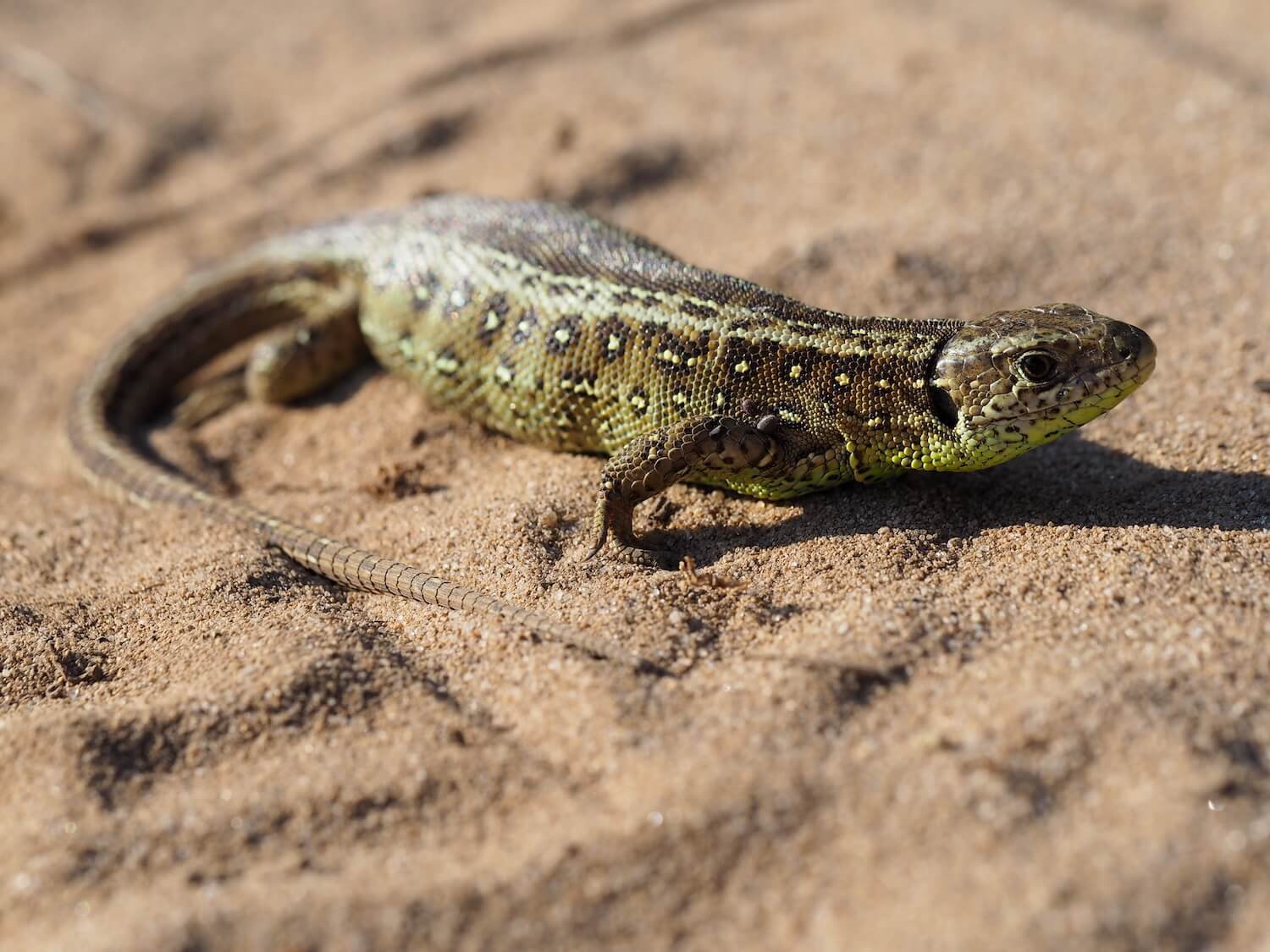
Our experience with Reptile surveys
Ecosupport staff are highly experienced in carrying out reptile surveys and preparing successful mitigation strategies. All of our field staff are competent in the safe handling and capture of reptiles with continual training given, accounting for the most up to date methods.
FAQ’s
-
Reptile surveys are usually required where development could affect suitable reptile habitat. Even if no reptiles have been recorded previously, the presence of suitable habitat can trigger the need for survey evidence.
-
Reptile surveys are generally undertaken between April and September, when reptiles are most active. Surveys outside this period may not provide reliable results.
-
If reptiles are confirmed on site, mitigation or avoidance measures may be required. Our reports provide clear guidance on suitable mitigation and help inform planning submissions and any necessary licence considerations.
Have more questions?