
Small Sites Team
Introducing Ecosupports Small Sites Team (SST)
Ecosupport Ltd has established a dedicated Small Sites Team (SST) to ensure we can provide high-quality ecological services to projects of all sizes.
Our specialist ecologists will deliver practical and pragmatic expertise for predominantly small-scale residential schemes and will be headed by Ashley James MCIEEM (ecologist at Ecosupport for 6+ years, holding Dormouse, Bats and Great Crested Newt licences).
From Preliminary Roost Assessments and protected species assessments to clear advice on Biodiversity Net Gain, the team will ensure that each job receives careful attention to detail delivered in a cost-effective manner, helping clients navigate planning with confidence.
The wider team will continue to deliver support on larger scale residential projects but felt the time was right to deliver our services to the full range of customers who request our expertise.

Cost Effective
Our services are delivered at competitive rates, providing excellent value supported by clear and honest pricing from start to finish.

Quick Turnaround
We aim to deliver a quick, dependable turnaround, providing surveys and reports within 5–10 working days.

Fast-Track Licensing
With Earned Recognition Bat Licensing, we achieve significantly quicker approvals, offering a standout benefit that sets us apart.
What to Expect from the SST
The Small Sites Team (SST) is designed to support straightforward development projects such as extensions to existing properties, small-scale demolitions and rebuilds, and modest residential or commercial schemes. We provide a focused range of ecological services including Preliminary Ecological Appraisals, Preliminary Roost Assessments, Protected Species Surveys and licences, and Biodiversity Net Gain support. Our experienced ecologists deliver high-quality assessments with a quick turnaround, aiming to complete surveys and provide reports within 5–10 working days.
If a project falls outside the scope of the Small Sites Team, whether due to its complexity, wider ecological constraints, or specialist survey requirements, it will be seamlessly transferred to our main Ecosupport team. This ensures every site receives the level of expertise and resources it needs, without delays or repeated work.
For sites requiring more detailed surveys, complex mitigation strategies, or broader ecological input, Ecosupport is fully equipped to resource and deliver the work. Our pricing structure below reflects our commitment to honesty and clarity, ensuring you receive the best possible service and value throughout your project.
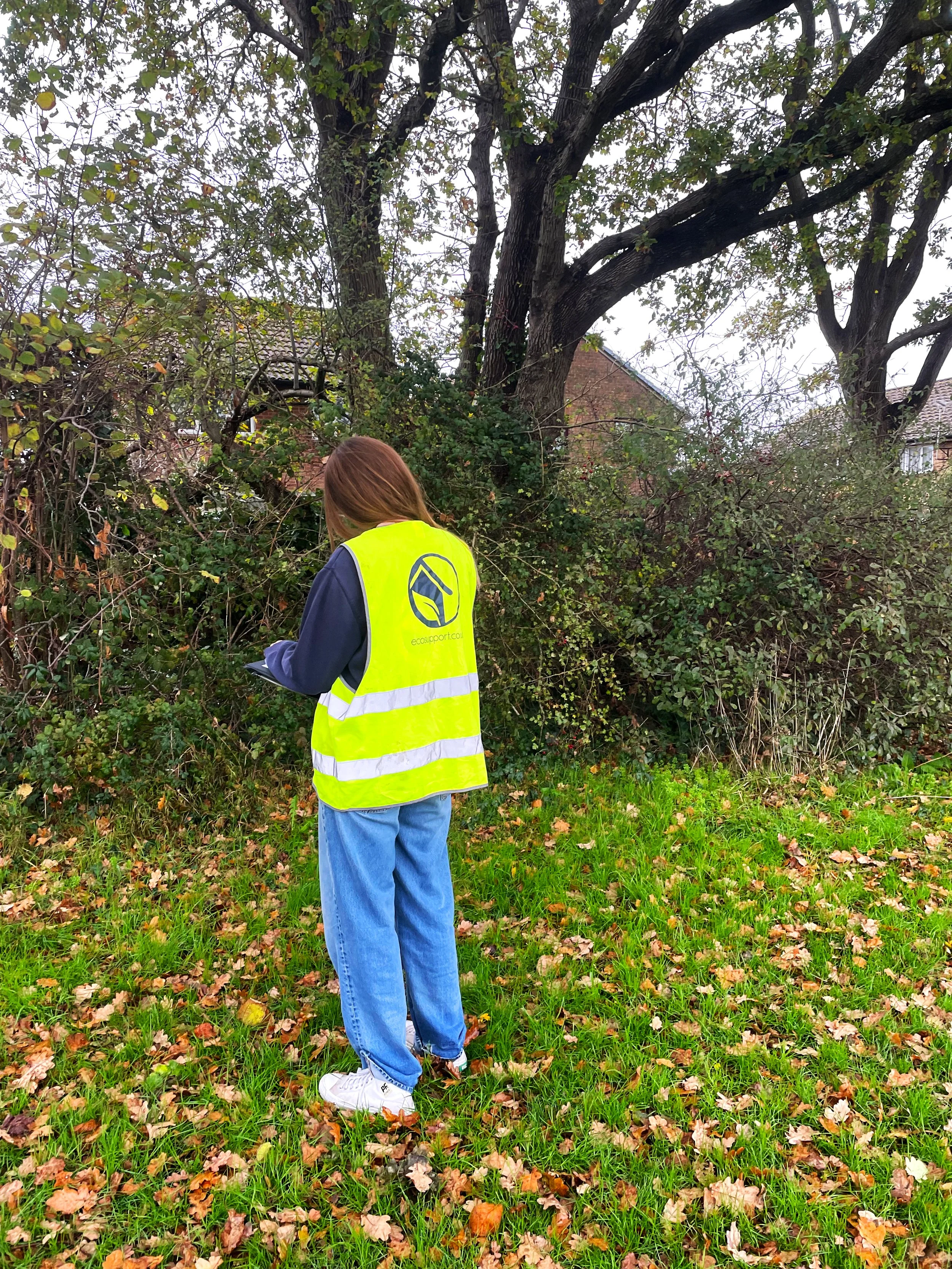
Our pricing is clear and structured to reflect the scope of each project. Starting costs are provided for initial surveys, with any site-specific adjustments clearly communicated in advance.
Pricing Structure
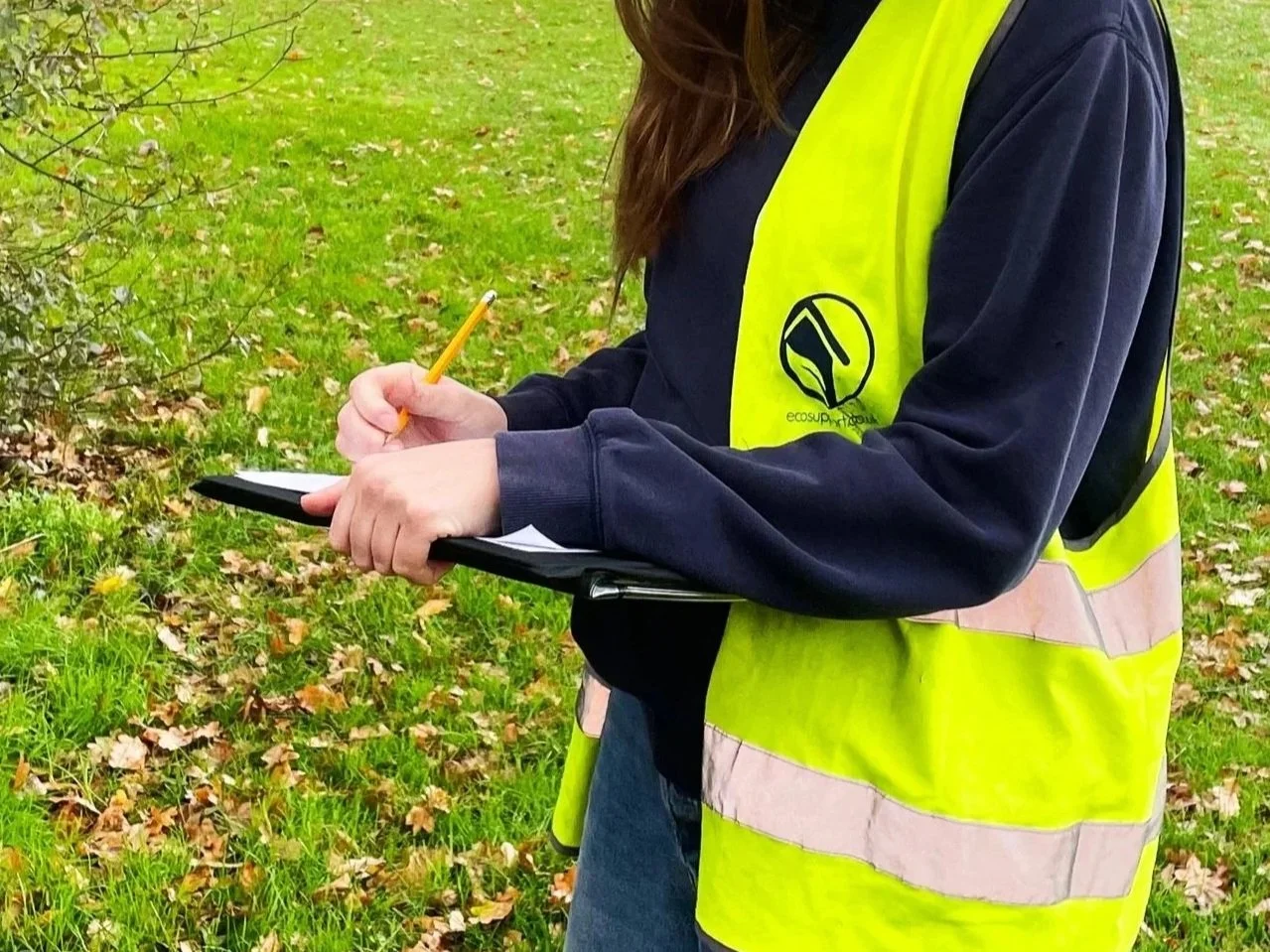
Preliminary Ecological Appraisal - From £499
A Preliminary Ecological Appraisal (PEA) is the first stage in evaluating a site’s ecological value. An ecologist conducts a site visit to visually assess habitats, potential protected species, nearby designated sites, and features such as trees or structures that may support bats. The survey identifies any likely ecological impacts of a proposed development and determines whether further Phase II protected species surveys are needed to meet legislation and planning requirements.
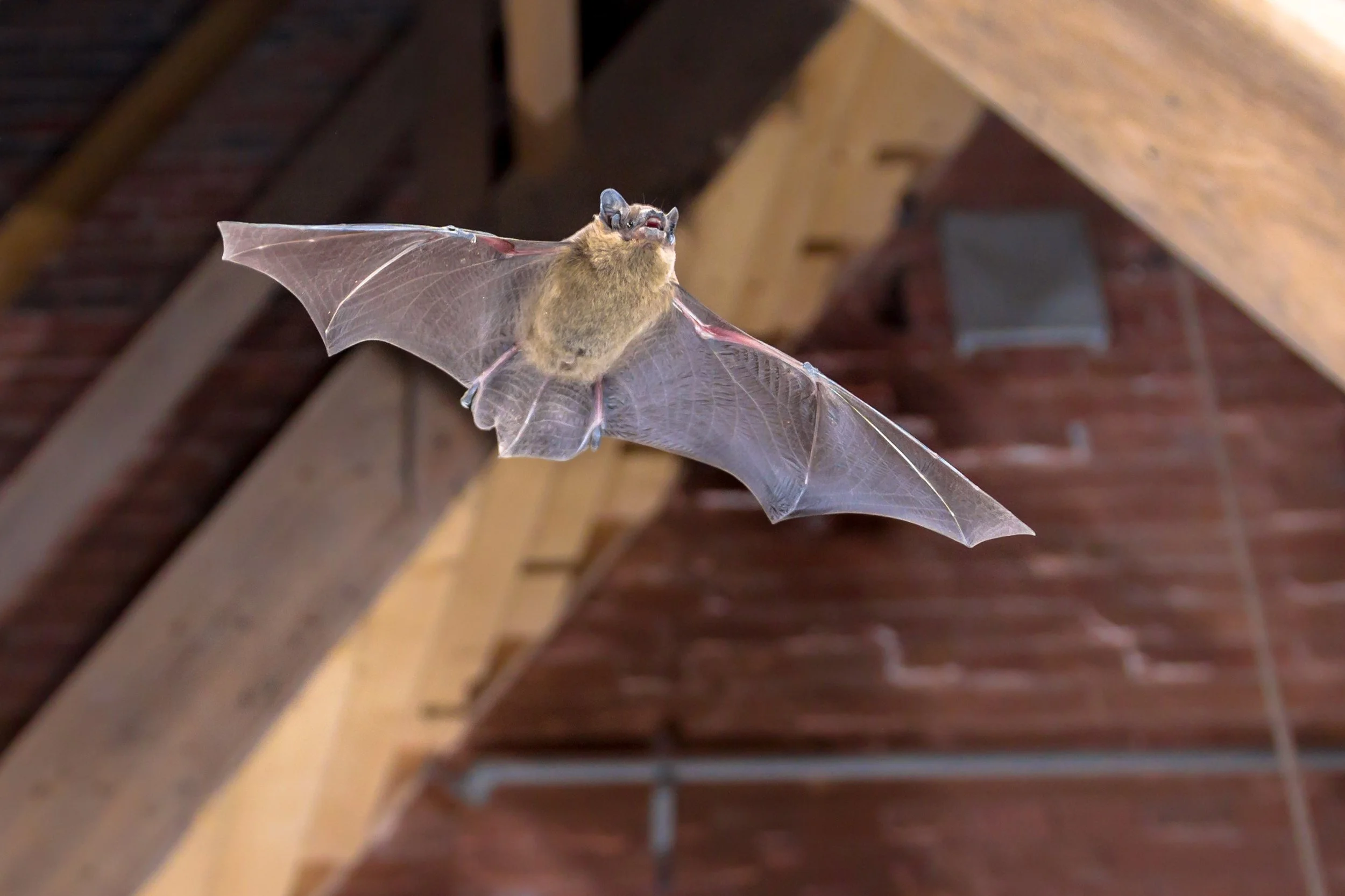
Preliminary Roost Assessment - From £499
A Preliminary Roost Assessment (PRA) is the first step in assessing a site for its potential to support roosting bats. An ecologist undertakes an internal and external inspection of buildings, trees, and other structures to identify suitable roost features and any signs of bat presence. The survey evaluates the likelihood of bats using the site and determines whether further bat activity surveys are required to meet relevant wildlife legislation and planning requirements.
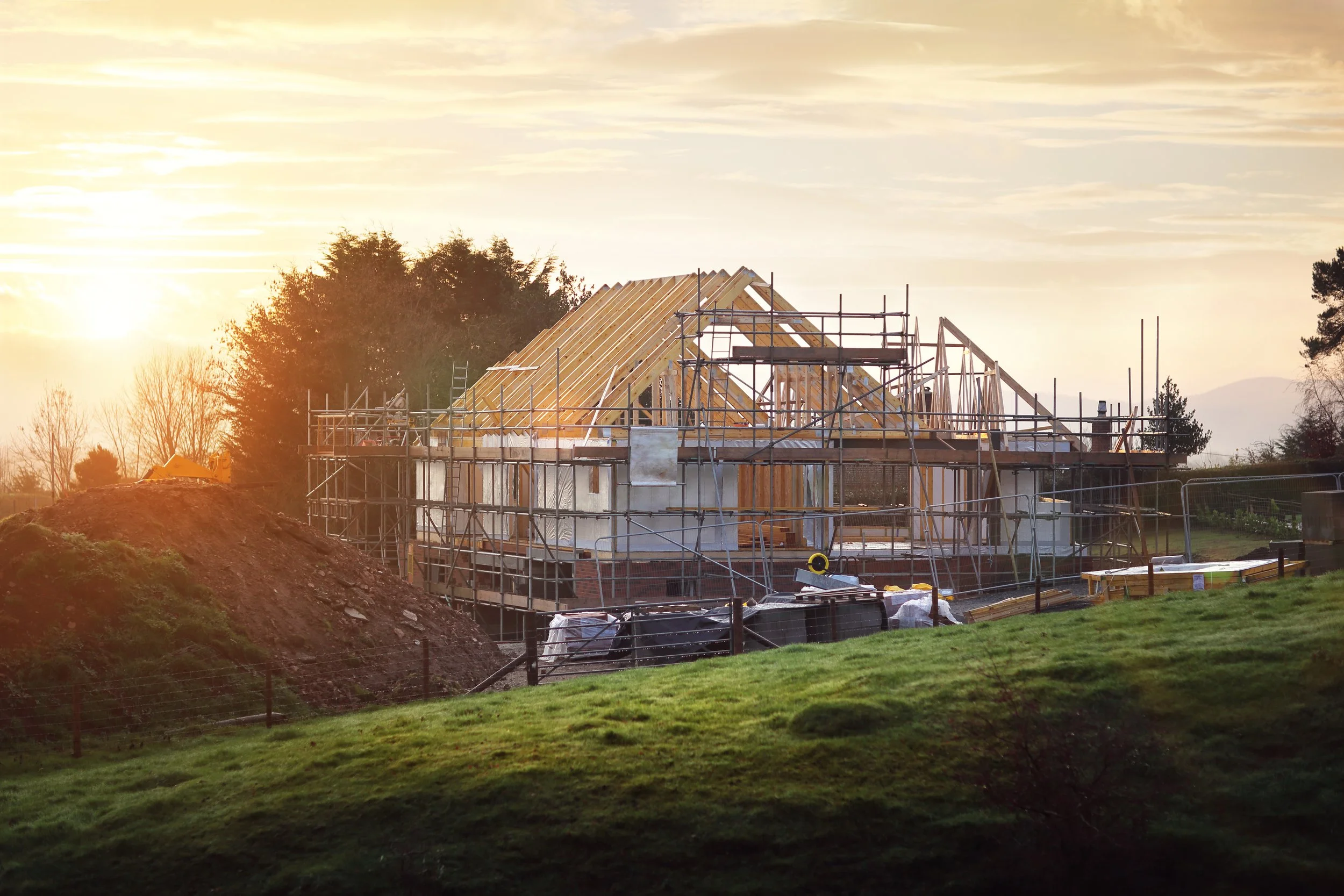
Biodiversity Net Gain (BNG) is required for most development projects in England, in line with the Environment Act 2021 and Local Policy. This requires both small site and large site development projects to deliver at least a 10% gain in biodiversity for a minimum of 30 years, unless specifically exempt. BNG is calculated through the DEFRA Statutory Biodiversity Metric or the Small Sites Metric (SSM).
Biodiversity Net Gain - From £599
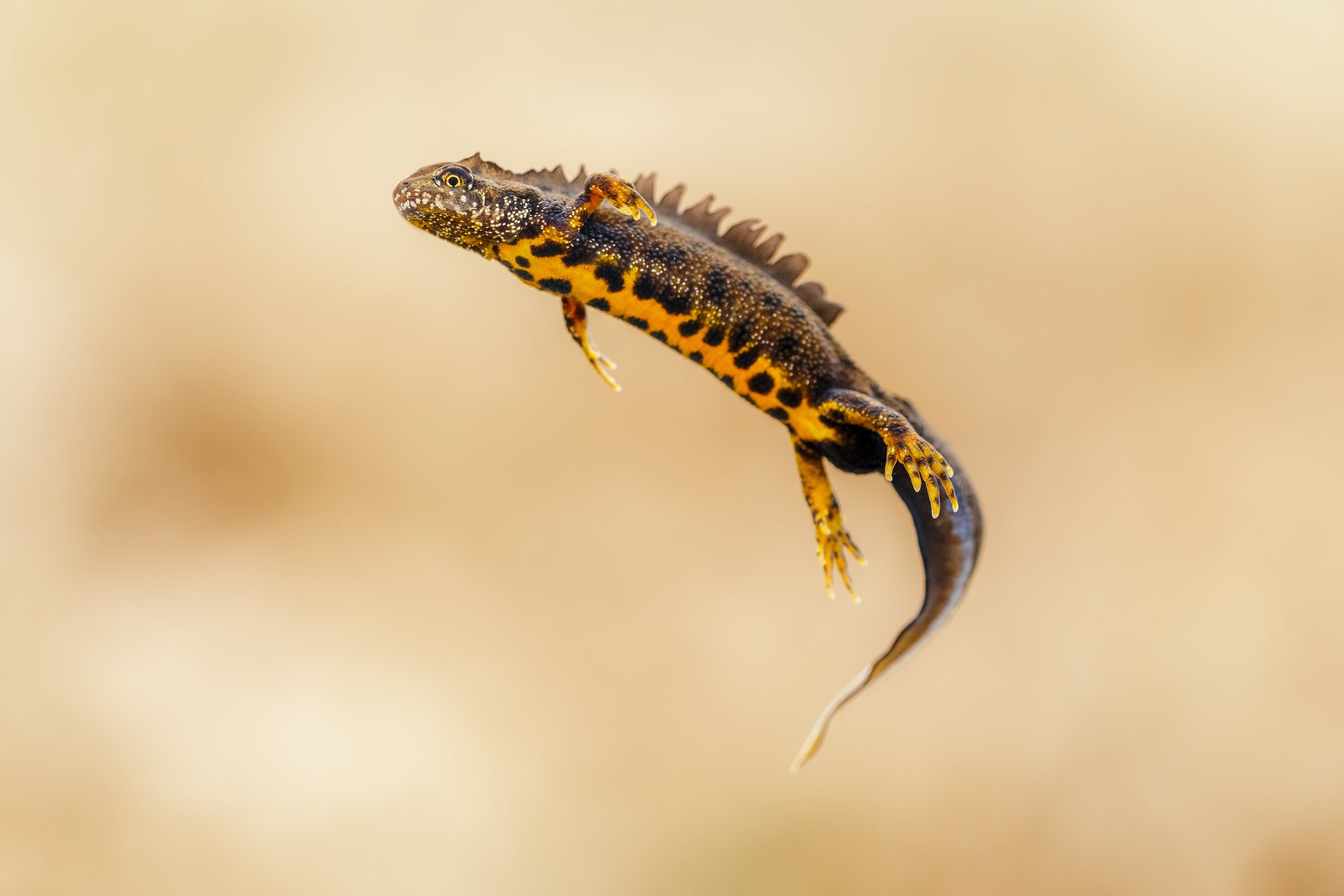
Protected Species Survey - £TBC (Site Specific)
An EPS licence is required when protected species, such as bats, dormice or great crested newts, are present on a site and may be affected by proposed works. Our ecologists manage the full licensing process, from identifying impacts to developing mitigation that satisfies the ‘three tests’ under the Habitats Regulations 2017. With a 100% success rate in securing licences, we ensure compliance while enabling development to proceed.
The prices listed above are starting costs for the initial survey and may vary depending on the location and specific site requirements. Any changes to the price will be clearly communicated to you in advance.
When Biodiversity Net Gain Is Required
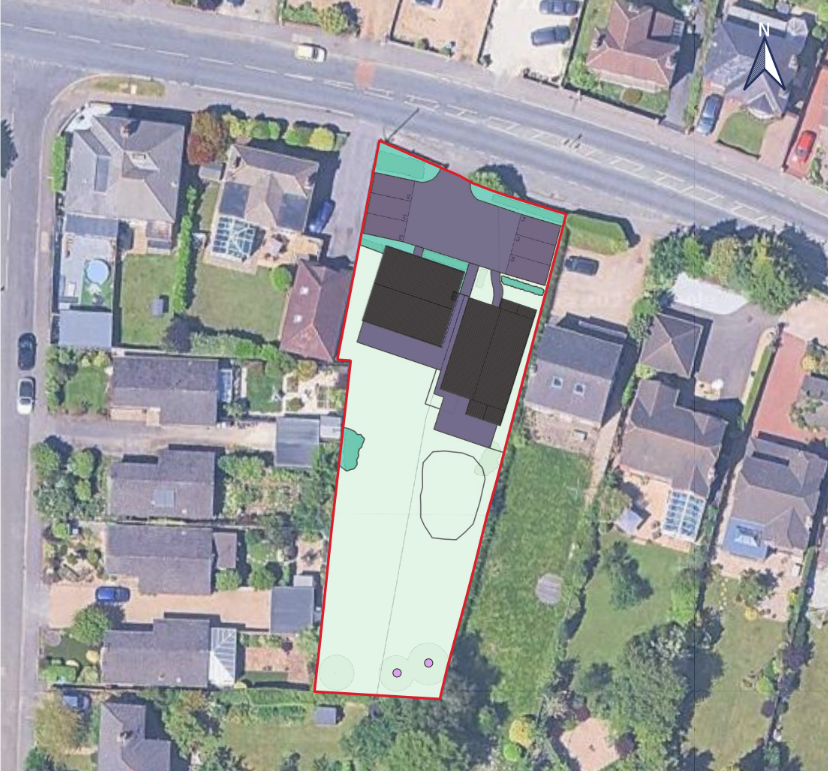
Biodiversity Net Gain (BNG) is required for most development projects in England, in line with the Environment Act 2021 and Local Policy. This requires both small site and large site development projects to deliver at least a 10% gain in biodiversity for a minimum of 30 years, unless specifically exempt. BNG is calculated through the DEFRA Statutory Biodiversity Metric or the Small Sites Metric (SSM).
If your project meets these requirements, a BNG assessment will be required to comply with planning and legislative obligations.
Our team supports this process by completing baseline habitat surveys, calculating biodiversity value using the standard metric, and designing practical on-site or off-site solutions to help you achieve the required net gain. We also provide dedicated off-site credit support to help secure suitable biodiversity units when on-site gains are limited. Get in touch and find out how we can help your project meet BNG requirements.
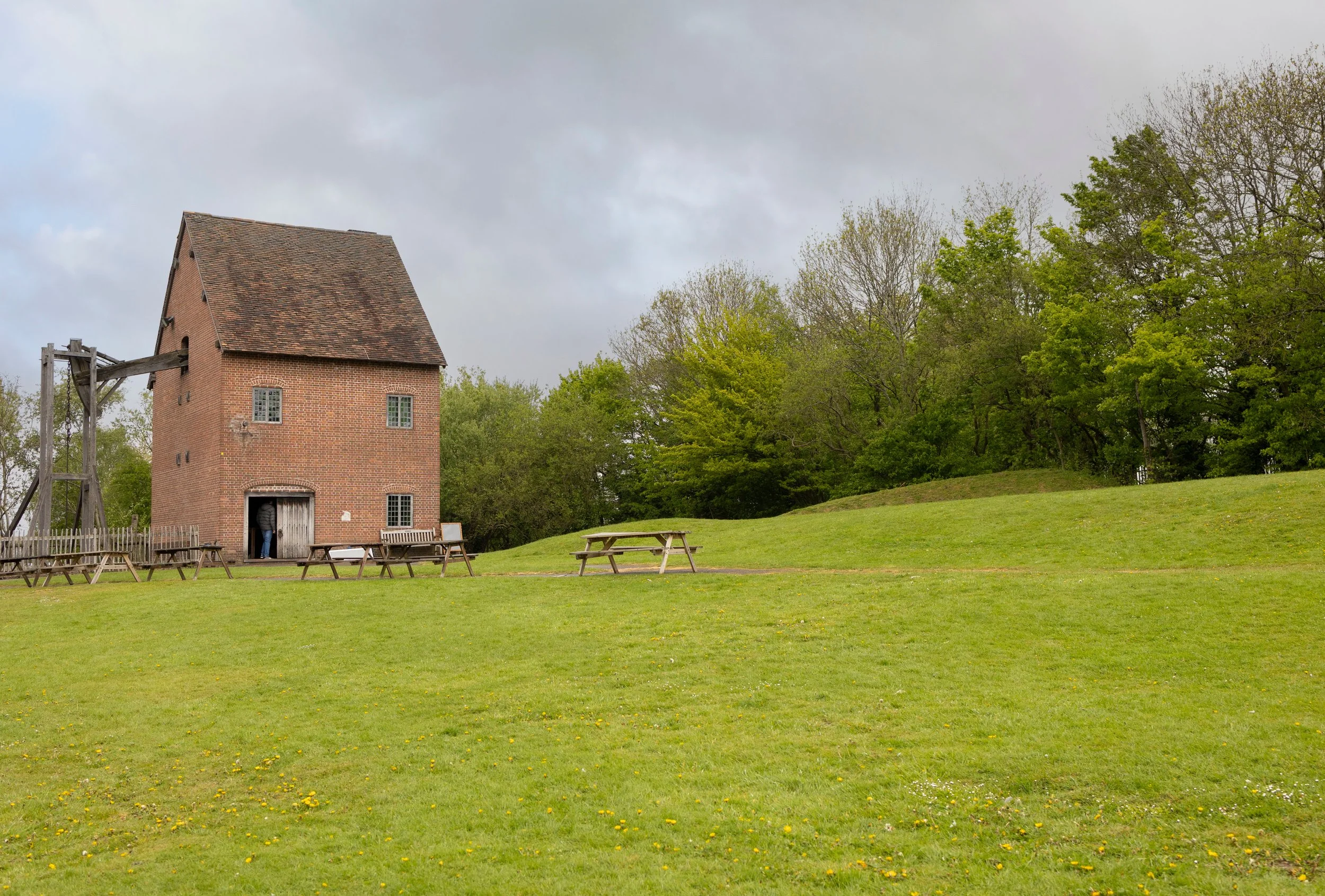
Straightforward Services You Can Trust
Our Small Sites Team (SST) provides ecological services with complete transparency. You’ll always know what you’re paying for, with clear, accurate pricing and no hidden fees. We deliver reliable, high-quality work while keeping the process simple and straightforward.
Get in Touch
Have a question or need a quote? Fill out the form below, and a member of our Small Sites Team (SST) will get back to you promptly. We’re here to provide guidance, discuss your project needs, and ensure you receive the right ecological support.
FAQ’s
-
Bats and their roosts are protected by law. If your project could affect bats or their habitats, a survey is required to comply with UK wildlife legislation (e.g., the Wildlife and Countryside Act 1981 and the Conservation of Habitats and Species Regulations).
A survey is required when a development might impact potential bat roosting habitat. This includes:
Loft conversions
Roof works or re-roofing
Demolition or barn conversions
Tree removal or heavy pruning
Extensions affecting rooflines or soffits
Providing this information at an early stage will prevent unnecessary delays.
-
Bat surveys usually follow a two-stage process:
Preliminary Roost Assessment (PRA) – A daytime inspection of the building or trees to look for signs of bats (i.e. droppings) and assess roosting potential.
Emergence Surveys (if required) – Evening surveys using specialist equipment (including Night Vision Aids) to detect and record bats as they leave or return to roosts.
-
If a bat roost(s) is found within your property during surveys and works result in the disturbance, modification or loss of the roost(s), a licence will be required (issued by Natural England).
Our ecologists have experience in applying for standard mitigation licences for a range of different species and roost types, including the capability to use the “fast-track” Earned Recognition licencing.
-
Preliminary roost assessment can be done throughout the year. However, Phase II Emergence surveys are restricted to being undertaken between May and September. You can also explore our ecological field survey calendar to see recommended survey periods for yourself.