What is a PEA?
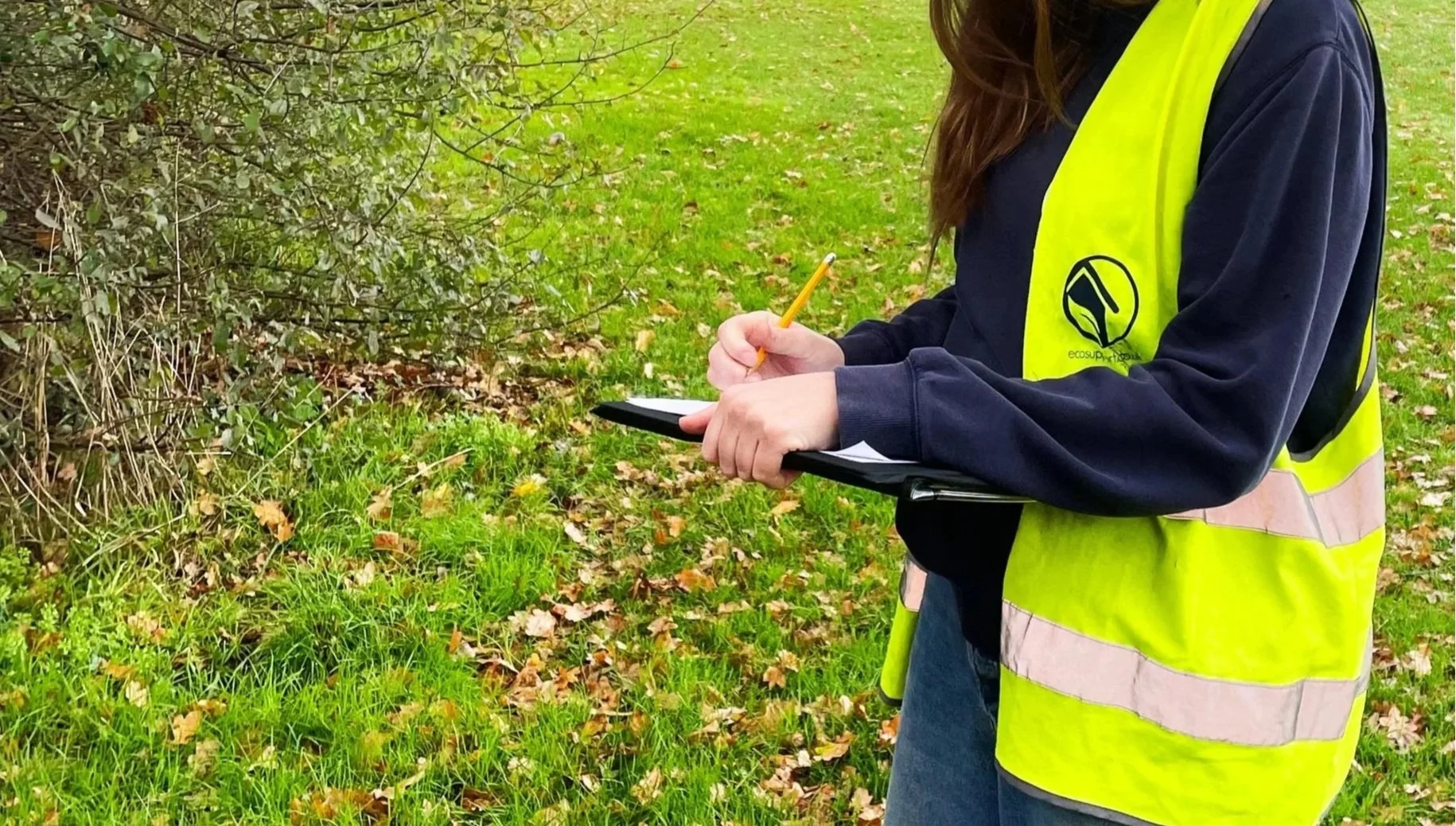
A PEA stands for Preliminary Ecological Appraisal. It is the first stage in assessing the ecological value of a site, typically carried out at the early stages of a development project. Our trained ecologists undertake a site visit to identify the habitats present, assess the potential for UK protected species to use the site, and highlight any ecological features that may influence future plans. The survey also helps identify potential constraints and opportunities, allowing ecological considerations to be factored into the project from the outset. Where necessary, the PEA will recommend whether further, more detailed ecological surveys may be required.
What Does PEA Stand For?
When do I need a Preliminary Ecological Appraisal
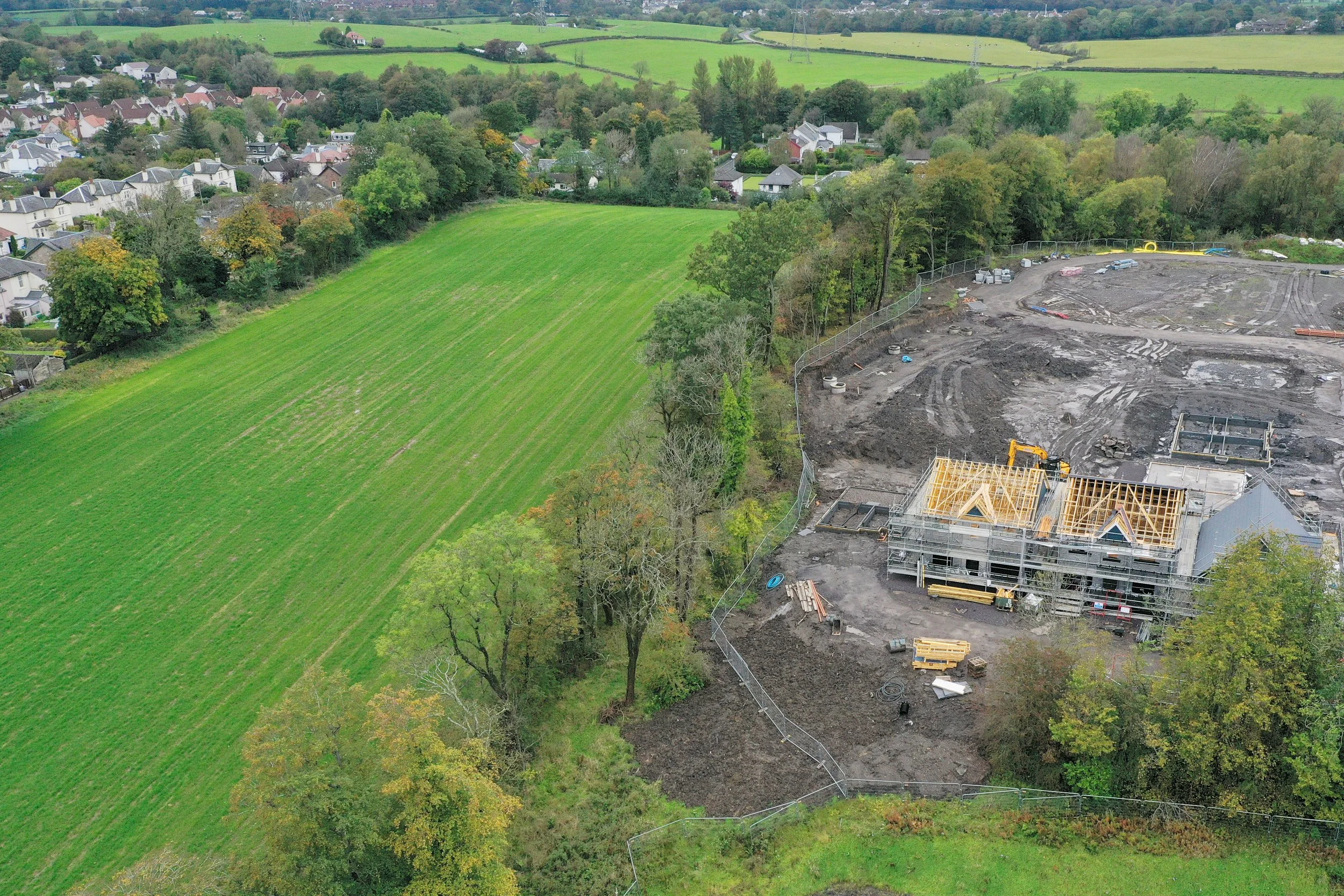
This is typically requested by Local Planning Authorities at the earliest stages of planning and development proposal. Whilst a site may at first appear to not offer much, habitats such as trees, hedgerows, ponds or buildings can support certain Protected Species. By completing the PEA early in the planning process, it reduces the risk of additional unforeseen delays.
What is included in a PEA report?
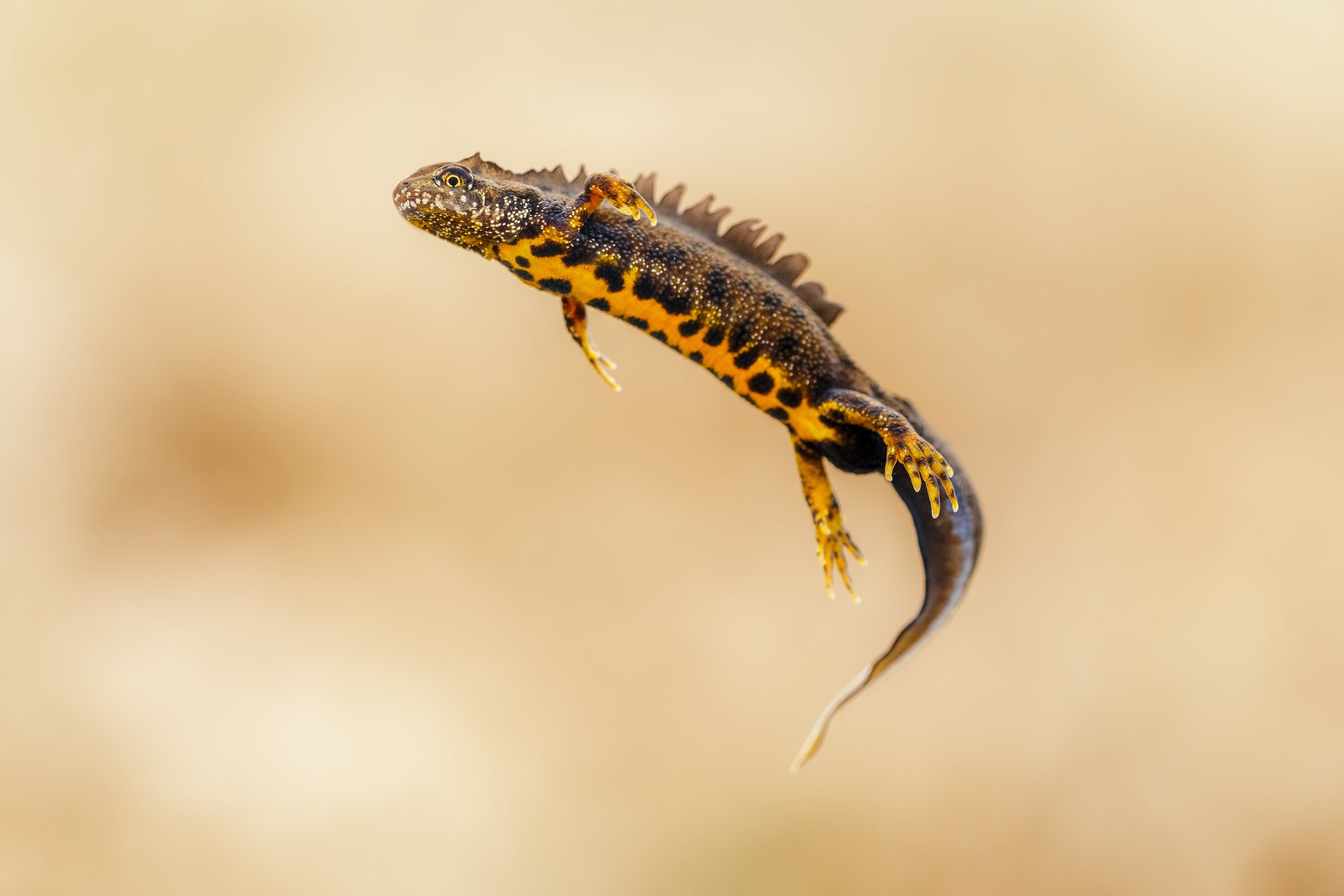
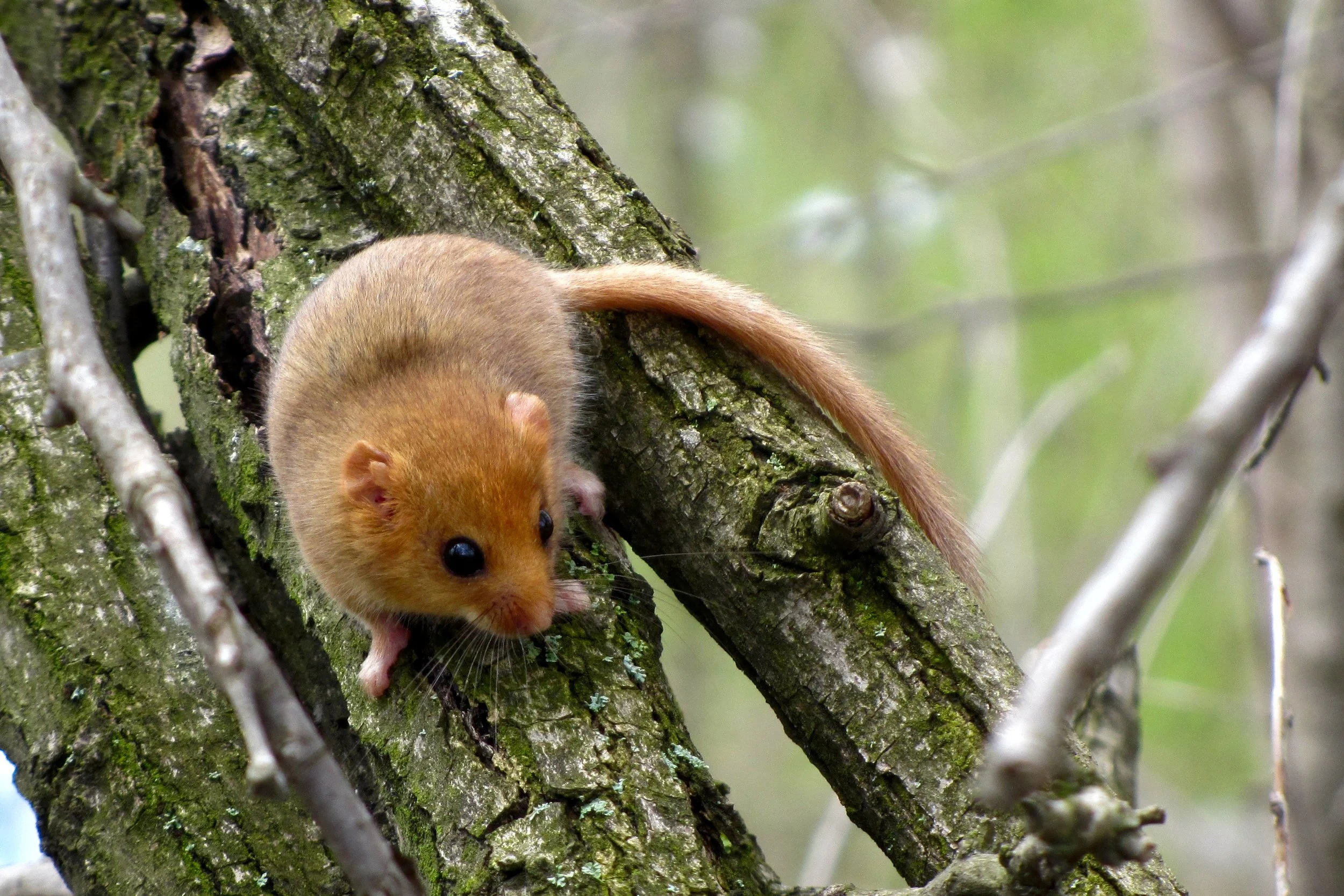
Our PEA reports include an assessment of the site’s potential to support protected species, such as badgers, bats, birds, great crested newts, and hazel dormice.

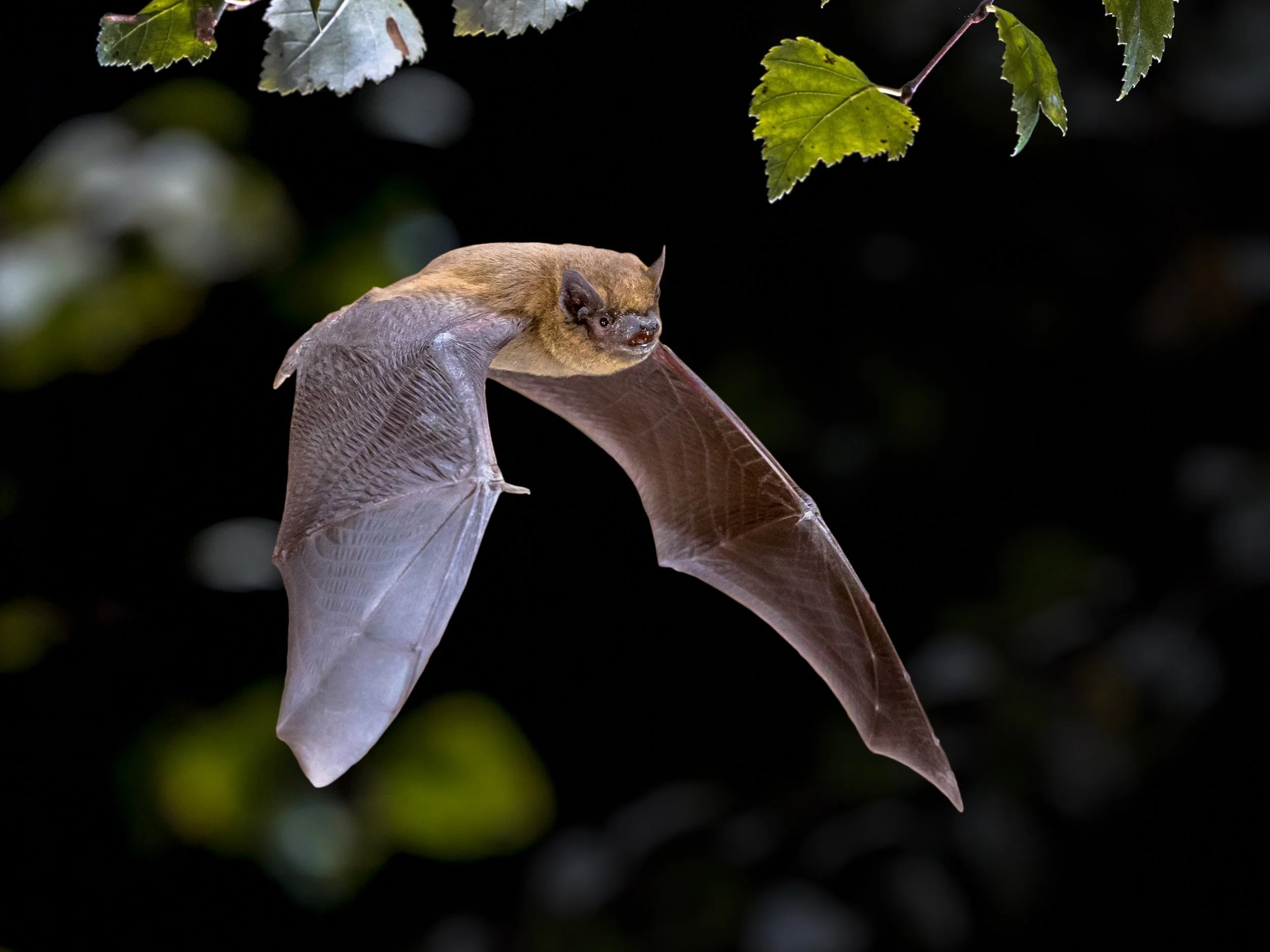
The report concludes with recommendations on whether additional Phase II protected species surveys may be required, along with any appropriate mitigation measures that can be considered at this stage. Further mitigation may be identified following the completion of any recommended Phase II surveys.

When Is the Best Time to Schedule your PEA?

Whilst we can conduct our PEA’s year-round, the optimal period is between March – September. Get in touch early to reduce the chances of delay
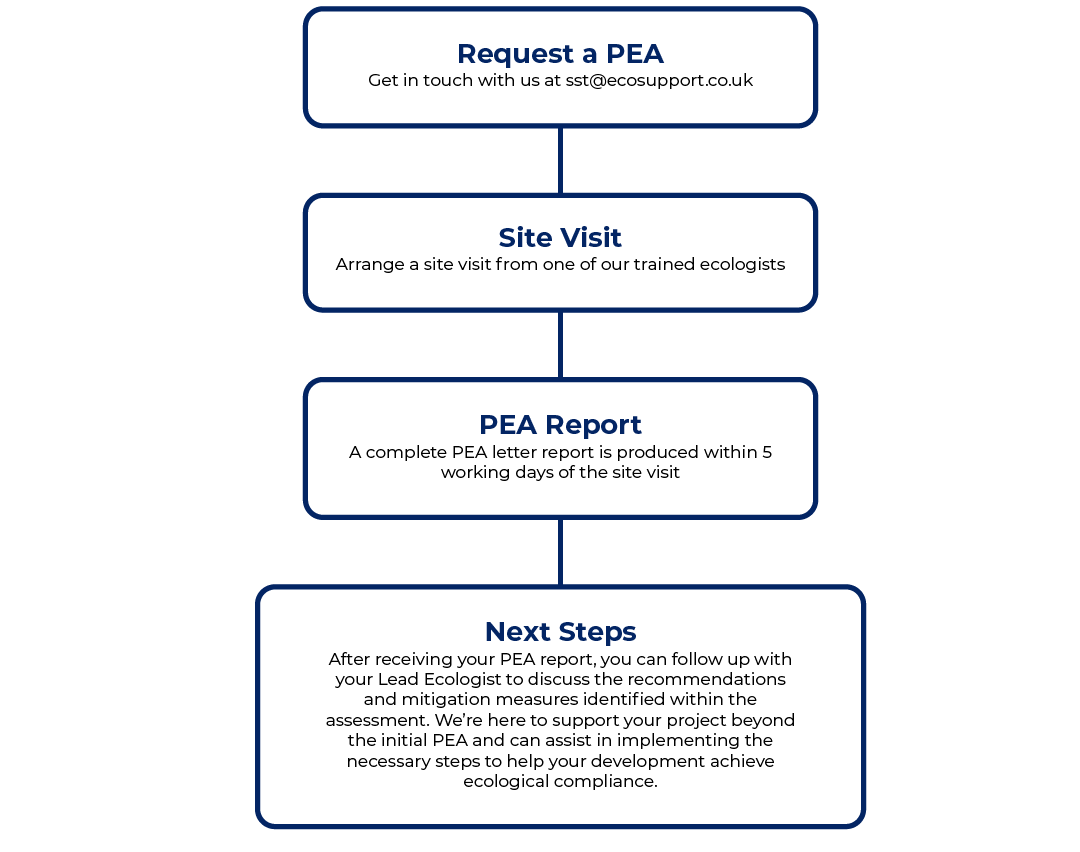
What Could a Timeline for a PEA Look Like?