
What is a PRA?
A PRA stands for Preliminary Roost Assessment. It is usually the first bat survey carried out on a building. During this survey, an ecologist will inspect the structure both externally and, where possible, internally to identify any features that could support roosting bats, such as gaps, crevices, roof spaces, or suitable materials. The assessment also considers the surrounding habitat and landscape features that may make the site more attractive to bats.
The purpose of a PRA is to determine whether bats are likely to be present and to establish the level of roosting potential the building may have. Based on these findings, we can advise whether further surveys, such as dusk emergence or dawn re-entry surveys, are required before development or renovation work takes place.
What Does PRA Stand For?
When do I need a Preliminary Roost Assessment
If any of your plans for development include impacts to the existing roof or to any Potential Roosting Features (PRF’s) identified during the initial Preliminary Ecological Appraisal (PEA) of the site.
During our PRA’s, we will assess both the inside and the outside of the building, looking for features where a bat might roost, these could include:
Internal:
· Void spaces within a loft
· Ripped roofing felt
· Cavity walls
· Gaps around beams and other supporting timber
External:
· Lifting or hanging roof tile
· Gaps beneath the eaves
· Gaps within brickwork
· Access points to the interior of the building
What happens if there is potential for roosting bats?

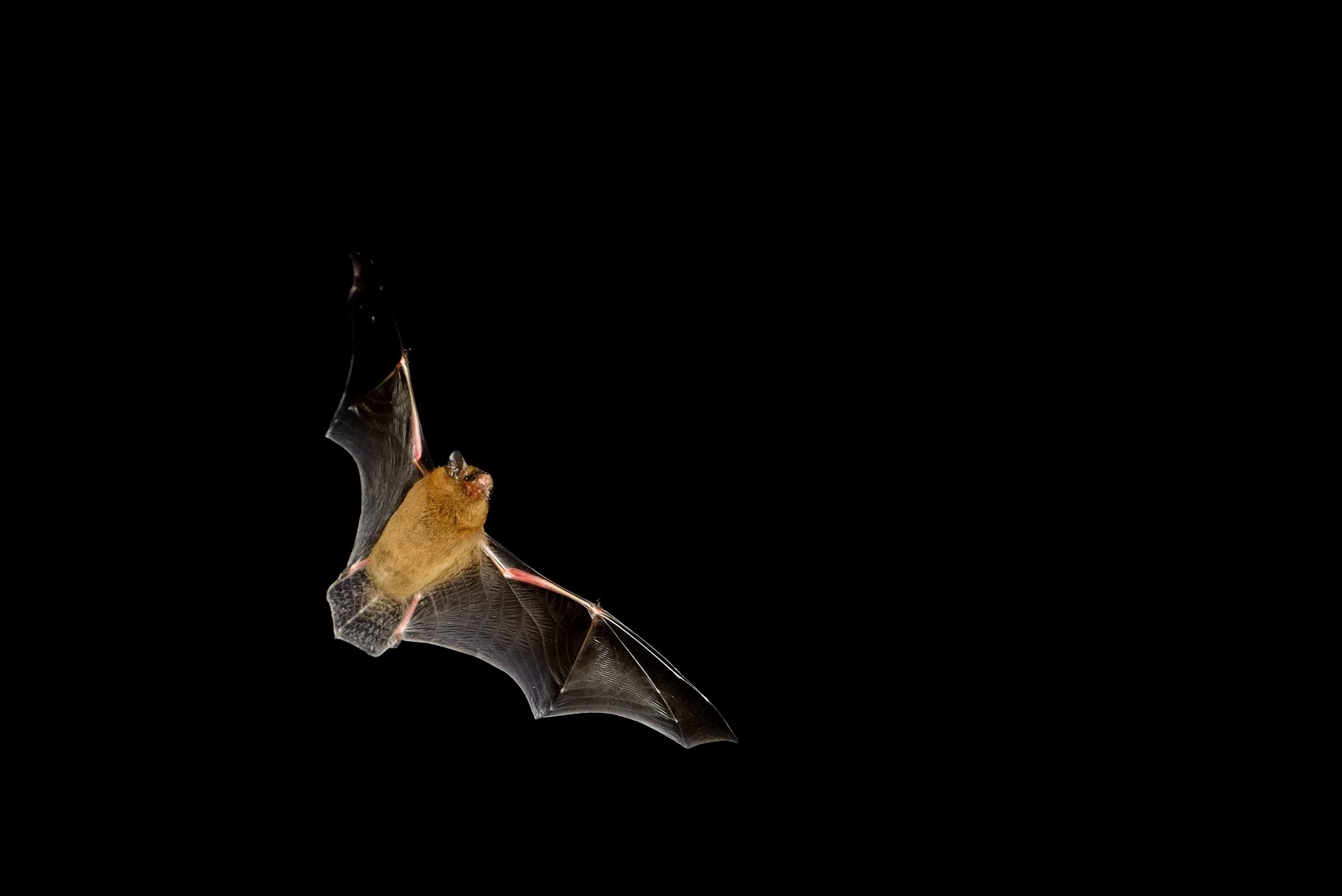
From here, we will assess the building as low, medium or high potential for roosting bats, and will recommend an appropriate number of bat emergence surveys to determine whether bats are making use of the building. These are undertaken between May and September
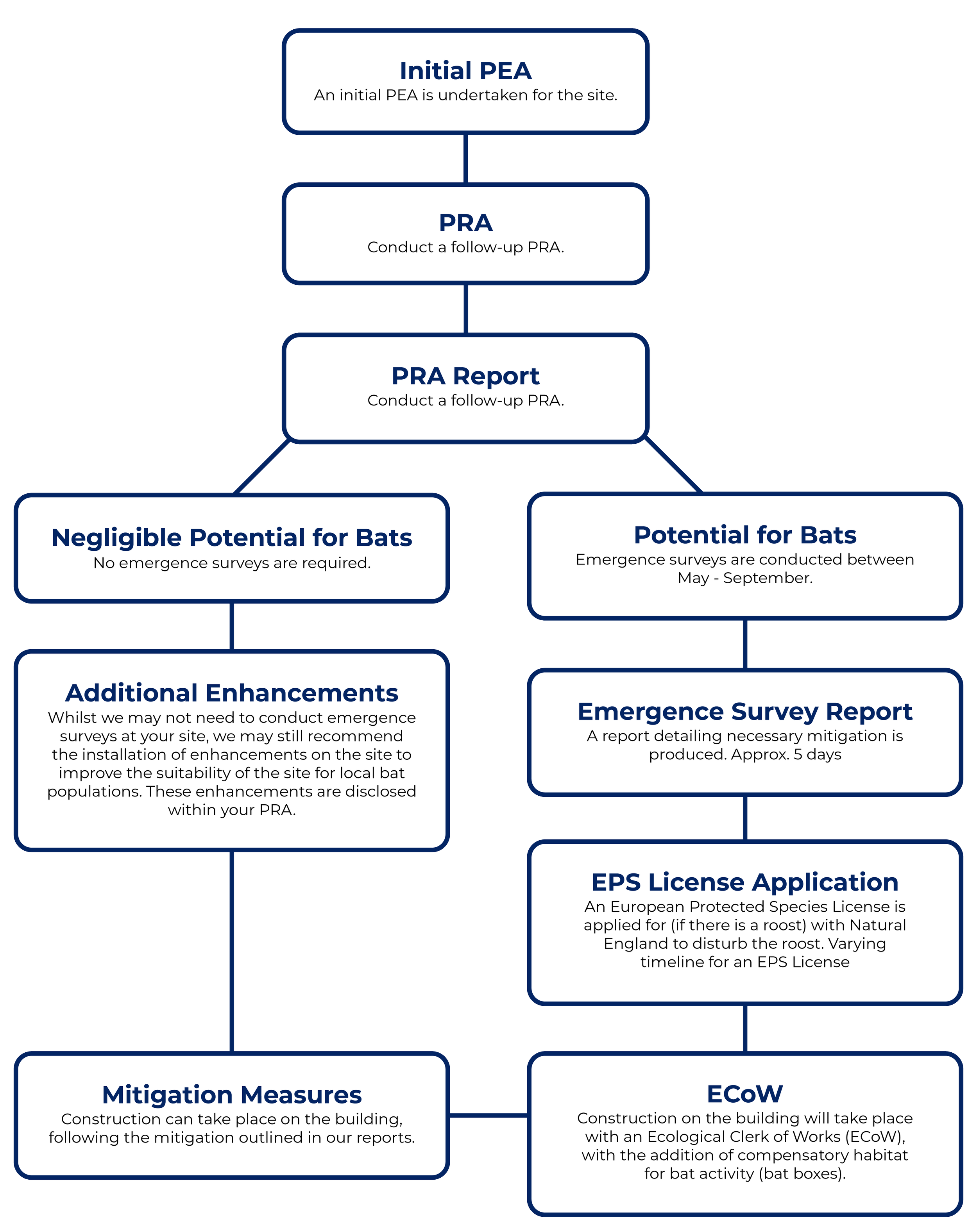
What Could a Timeline for a PRA Look Like?
Possible Mitigation Measures
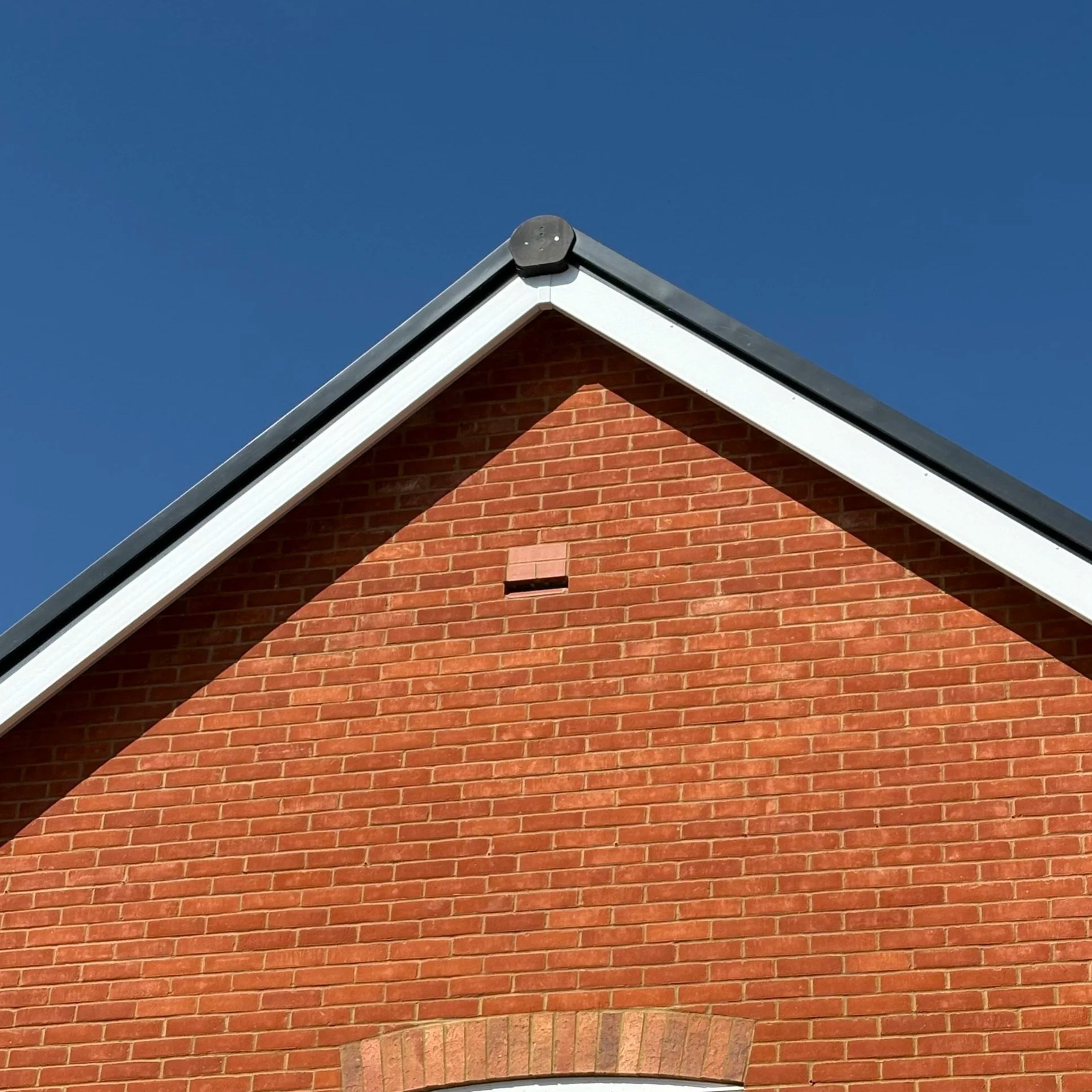
Integrated Bat Bricks
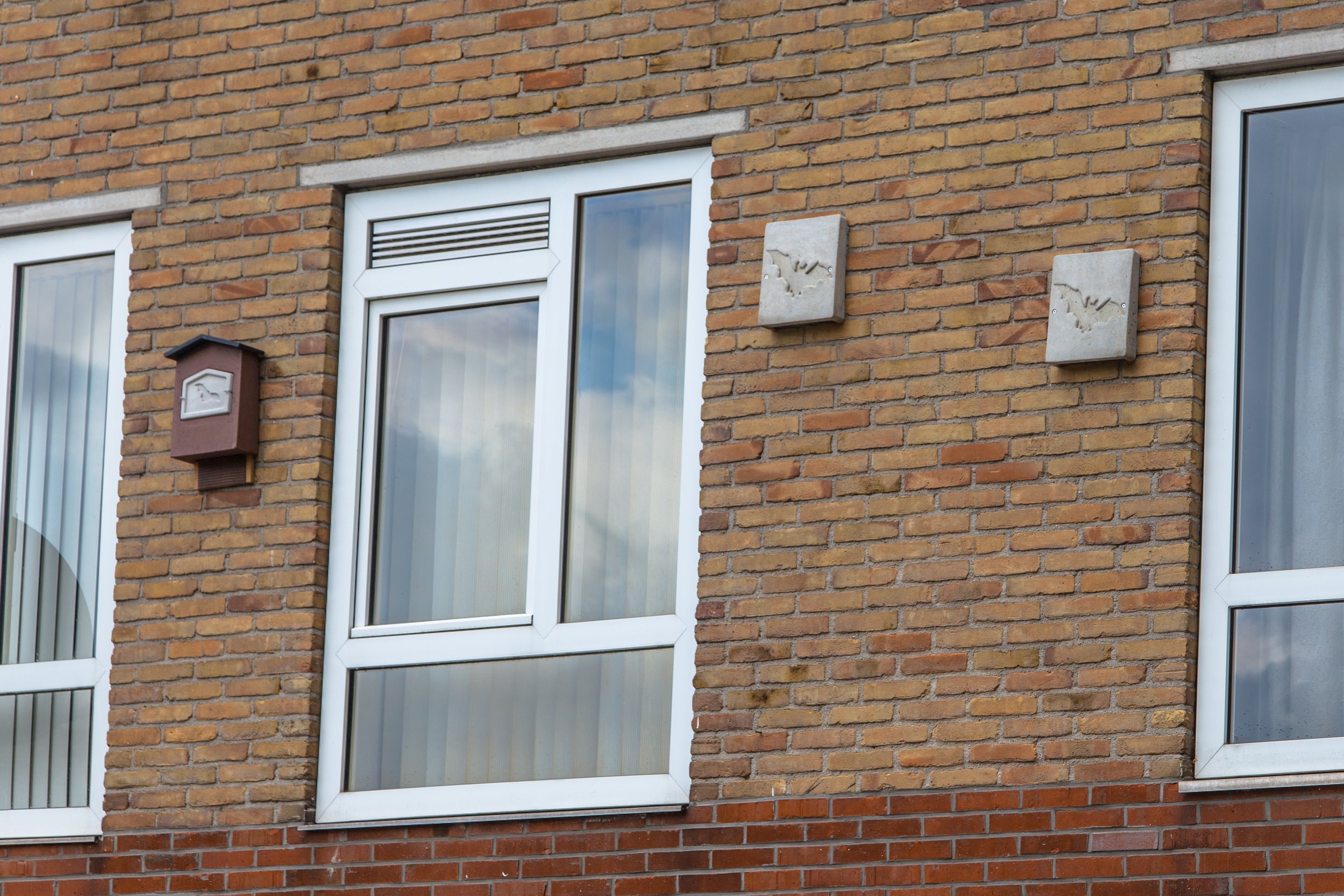
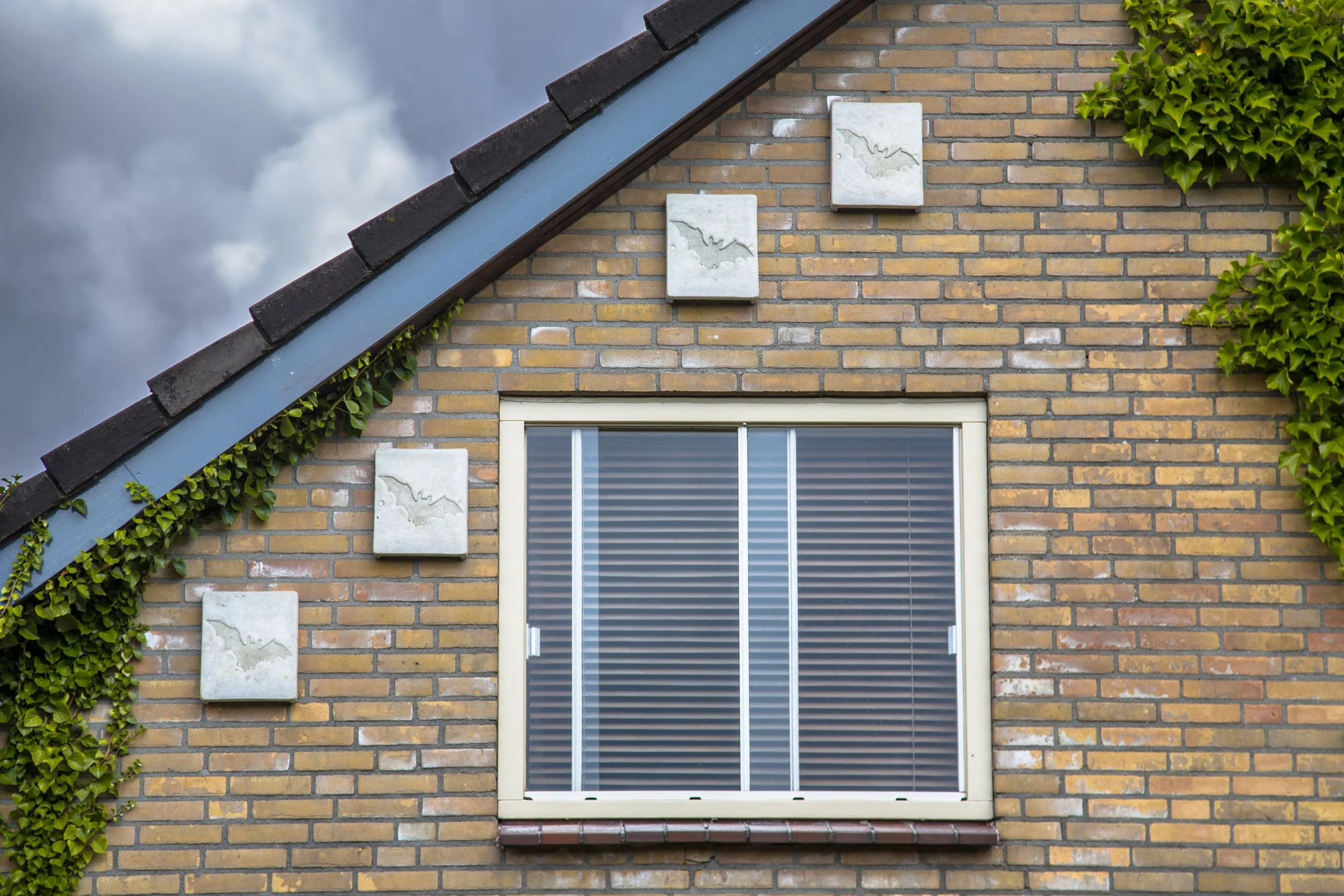
Bat Boxes on a Building
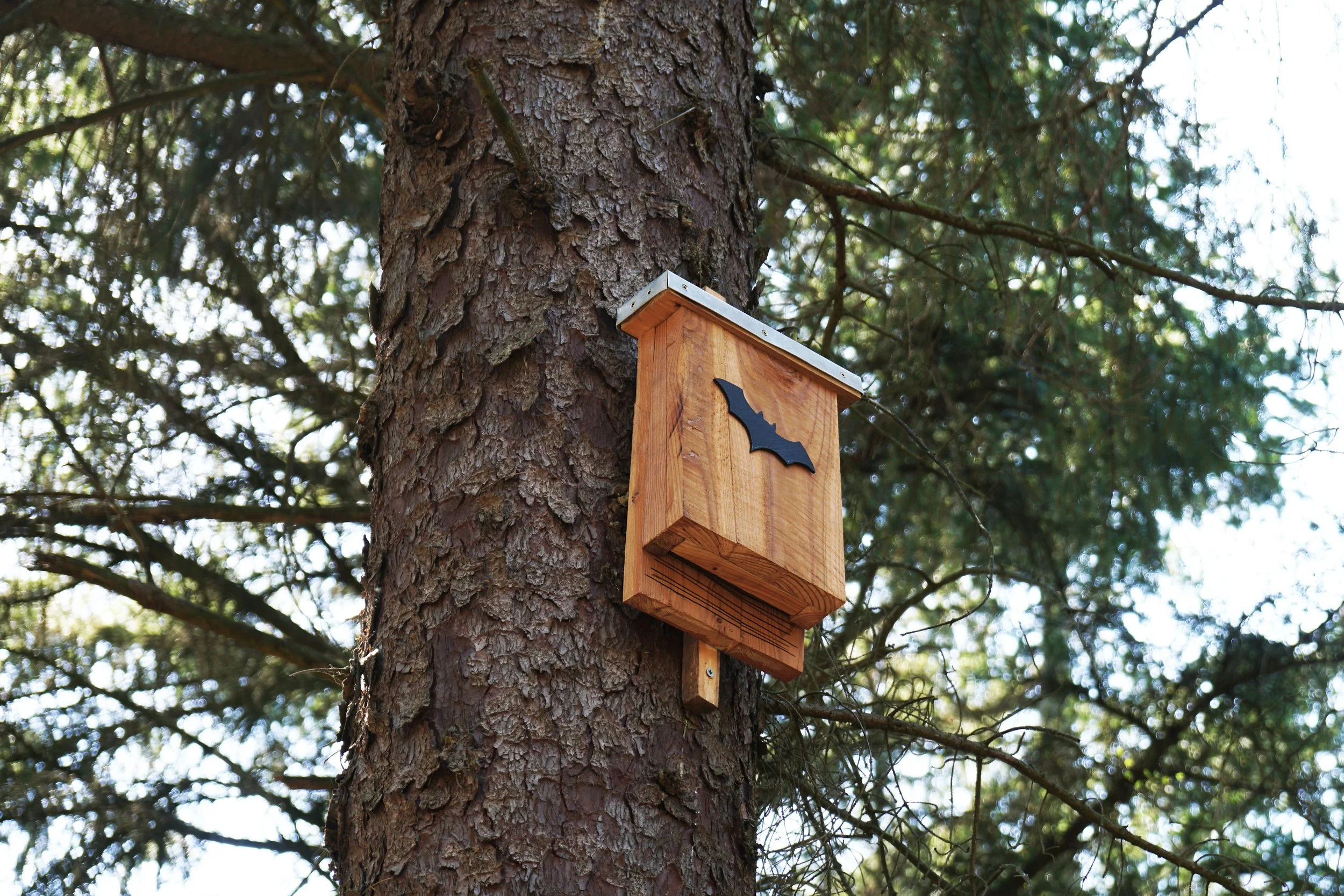
Bat Boxes on a Tree